

Understanding Thermal Splitting and Its Impact on Asphalt Shingles
When planning a roofing project, whether it’s a simple repair or a complete replacement, understanding the roof estimate process is essential. A roof estimate provides a breakdown of the costs, materials, labor, and timeline for the project. It serves as a blueprint for your roofing contractor’s work and helps you ensure that the project stays within your budget. Knowing what to expect and how estimates are created can help you make informed decisions, avoid unexpected costs, and ensure that your roofing project is completed to the highest standards.
Understanding Thermal Splitting and Its Impact on Asphalt Shingles
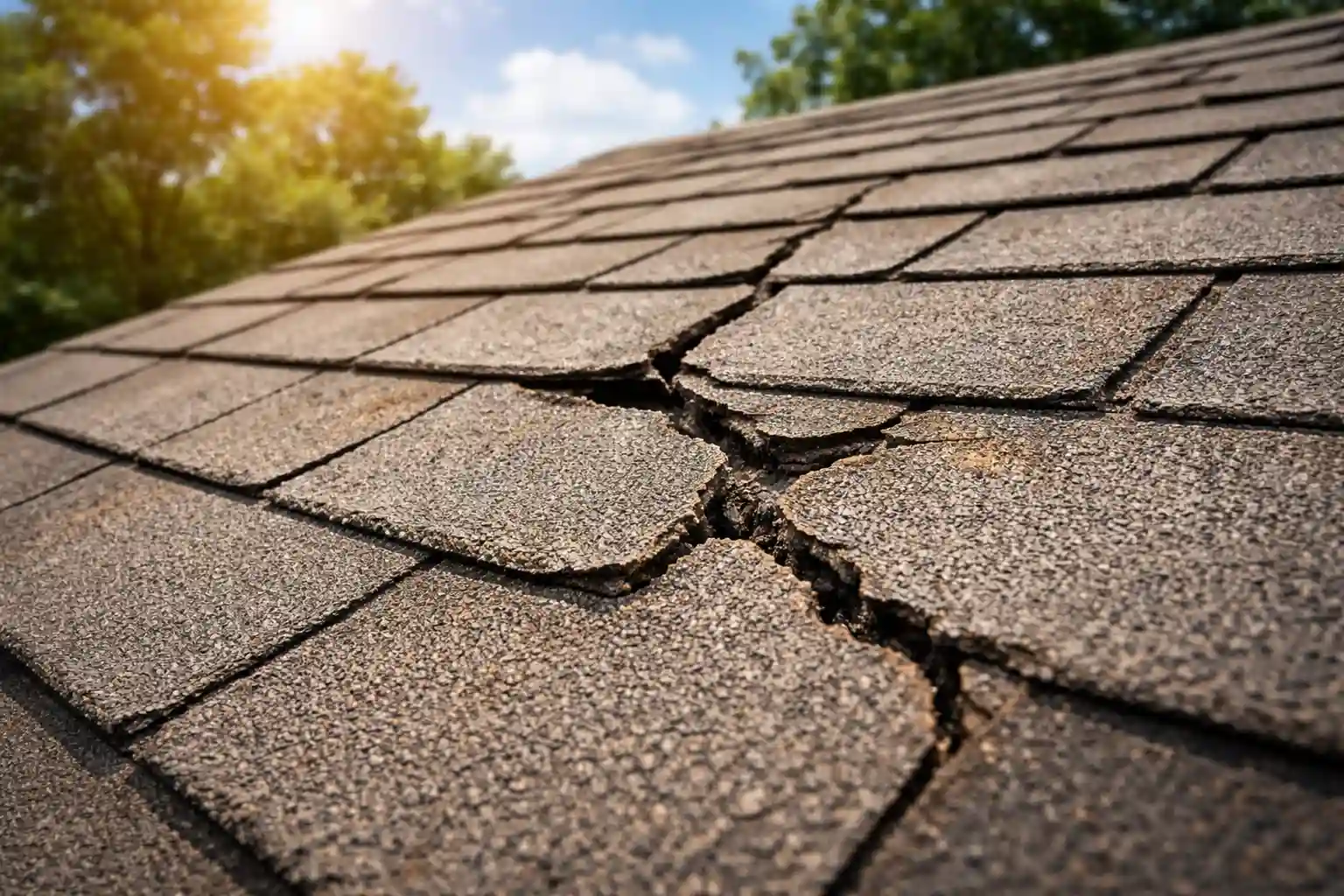
Thermal splitting is a common but significant problem that can affect asphalt shingles, especially in climates with extreme temperature fluctuations. It occurs when asphalt shingles expand during the day due to the heat from the sun and contract at night as the temperature drops. This constant cycle of expansion and contraction puts immense stress on the shingles, often leading to cracks and splits. Over time, this process can cause substantial damage to the shingles, making them less effective at protecting your home and potentially leading to leaks and other issues.
Thermal splitting, also known as thermal cracking, is a type of wear and tear that occurs when shingles experience repeated cycles of heating and cooling. During the day, the sun’s heat causes asphalt shingles to expand, and at night, as the temperature drops, the shingles contract. Over time, this expansion and contraction create stress on the material. Asphalt shingles, which are made from a combination of fiberglass and asphalt, are susceptible to this stress because both materials expand and contract at different rates. When cracks form due to thermal splitting, the shingles lose their structural integrity, making them more vulnerable to other types of damage.
As these cracks grow, they can allow moisture to seep into the roof, which leads to water damage, mold growth, and even leaks. The overall effectiveness of your roof is compromised, and this can result in significant repair costs if not addressed promptly. Not only does thermal splitting shorten the lifespan of the shingles, but it also makes the roof less energy-efficient, allowing heat to escape during winter or entering during the summer.
What is Thermal Splitting and How Does it Affect Asphalt Shingles?
Thermal splitting, also known as thermal cracking, is a type of wear and tear that occurs when shingles experience repeated cycles of heating and cooling. During the day, the sun’s heat causes asphalt shingles to expand, and at night, as the temperature drops, the shingles contract. Over time, this expansion and contraction create stress on the material. Asphalt shingles, which are made from a combination of fiberglass and asphalt, are susceptible to this stress because both materials expand and contract at different rates. When cracks form due to thermal splitting, the shingles lose their structural integrity, making them more vulnerable to other types of damage.
As these cracks grow, they can allow moisture to seep into the roof, which leads to water damage, mold growth, and even leaks. The overall effectiveness of your roof is compromised, and this can result in significant repair costs if not addressed promptly. Not only does thermal splitting shorten the lifespan of the shingles, but it also makes the roof less energy-efficient, allowing heat to escape during winter or entering during the summer.
Causes of Thermal Cracking in Asphalt Shingles
The primary cause of thermal cracking in asphalt shingles is temperature fluctuations. When shingles are exposed to extreme changes in temperature, they expand during the heat of the day and contract as temperatures drop at night. This constant cycle weakens the material over time, leading to cracks and splits. However, other factors can also exacerbate thermal splitting. Poor installation is one such factor, as improperly installed shingles may not have enough room to expand and contract freely, causing them to crack prematurely.
Additionally, the quality of the shingles plays a significant role in how well they handle temperature changes. Low-quality shingles may lack the flexibility needed to withstand constant expansion and contraction. Older shingles that have been exposed to years of sun, wind, and rain also become more vulnerable to thermal cracking, as they lose their ability to adapt to temperature changes.
How to Prevent Thermal Splitting and Protect Your Roof
Preventing thermal splitting and protecting your roof involves both proper installation and regular maintenance. Here are several effective strategies to help minimize the risk of thermal cracking:
1. Choose High-Quality Shingles: One of the most important steps in preventing thermal splitting is to choose high-quality shingles designed to withstand temperature fluctuations. These shingles tend to have better flexibility and durability, making them less susceptible to cracking. Look for shingles with higher granule content, as these are less likely to degrade and crack under stress.
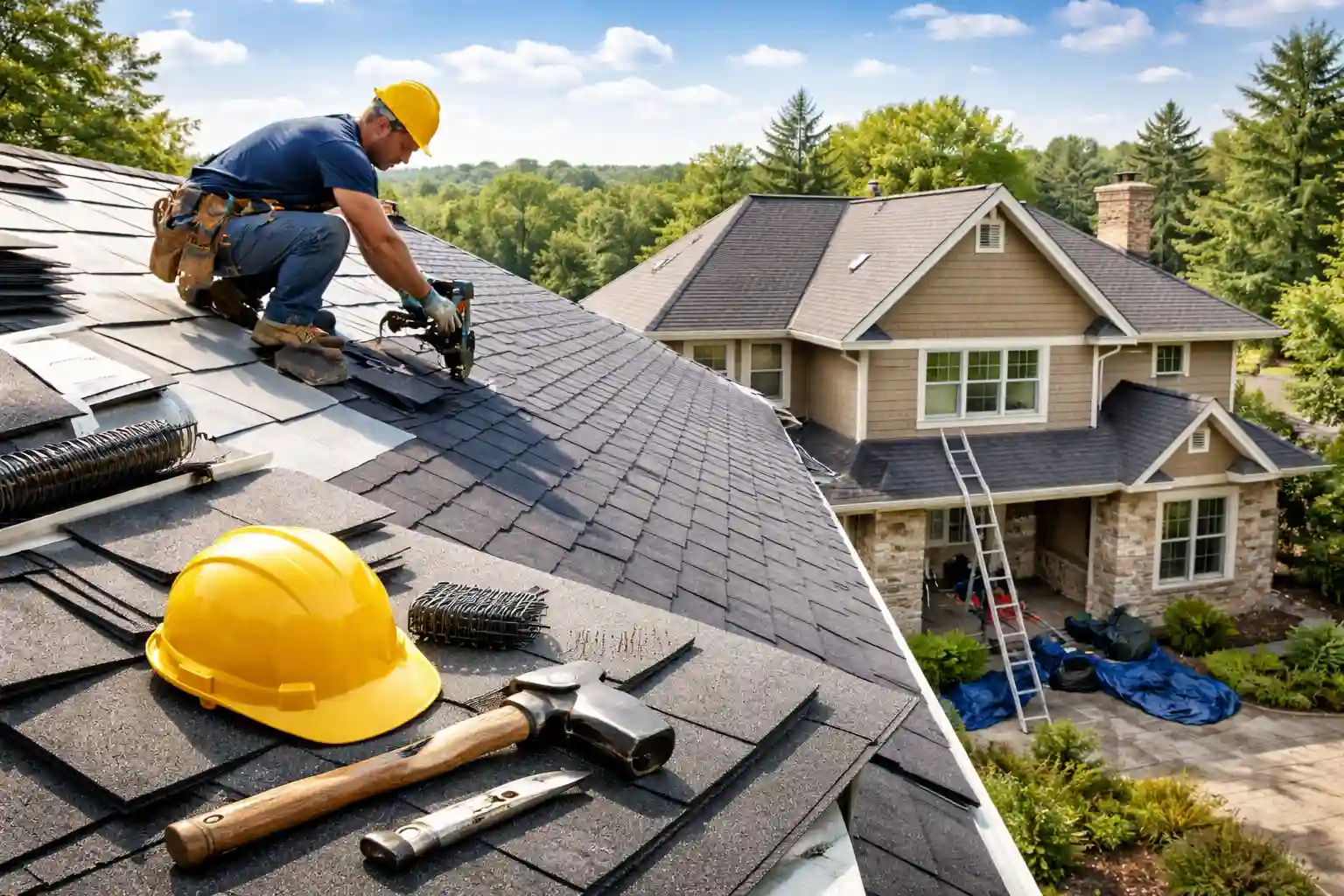
2. Proper Installation: Make sure your shingles are installed correctly. Proper installation includes allowing enough room for the shingles to expand and contract as needed. Hiring experienced and certified roofing contractors ensures that your shingles are laid down with the right amount of space, allowing for proper ventilation and airflow, which helps prevent excess moisture buildup.
3.Regular Roof Inspections: Regular inspections are essential for catching early signs of thermal splitting. During inspections, a professional can identify small cracks and take corrective actions before the damage becomes too severe. It’s recommended to inspect your roof at least once a year and after any significant weather event.
4. Roof Coating: Applying a reflective roof coating can help reduce the direct heat exposure that causes shingles to expand and contract. A reflective coating can protect your shingles from the sun’s rays, keeping them cooler and preventing the extreme temperature changes that lead to thermal cracking.
Signs Your Asphalt Shingles Are Suffering from Thermal Cracking
It’s important to recognize the early signs of thermal cracking in asphalt shingles to prevent further damage. Here are a few indicators that your shingles might be suffering from thermal splitting:
- Visible Cracks: If you notice visible cracks or splits in your shingles, it’s a clear sign that thermal splitting may be occurring. These cracks often start small but can grow larger over time, allowing water to seep into your roof.
- Loose or Missing Shingles: Shingles that have cracked or split can become loose and may fall off, leaving your roof exposed to the elements. Missing shingles leave gaps that allow water to infiltrate, leading to potential leaks.
- Water Leaks: One of the most serious consequences of thermal cracking is water leakage. If you notice water stains on your ceiling or walls, it may indicate that thermal splitting has caused the shingles to fail, allowing water to penetrate your home.
- Increased Energy Bills: A compromised roof due to thermal splitting can result in heat loss during the winter or heat gain in the summer. This makes your home less energy-efficient and can lead to higher heating and cooling costs.
Repair Options for Thermal Cracking Shingles
If you notice thermal splitting in your shingles, addressing the issue as soon as possible can prevent further damage. The most common repair option is replacing the damaged shingles. Replacing individual cracked shingles is a cost-effective solution and restores the integrity of your roof. If the thermal splitting is widespread, it may be necessary to replace the entire roof, especially if it has reached the end of its lifespan.
Why Regular Roof Maintenance Can Help Prevent Thermal Cracking Shingles
Regular roof maintenance is one of the most effective ways to prevent thermal cracking. A well-maintained roof ensures that small issues, like cracks, leaks, or debris buildup, are addressed before they become significant problems. Scheduling annual roof inspections can catch early signs of thermal splitting, allowing for timely repairs that prevent further damage.
Proper maintenance also involves cleaning the gutters, ensuring proper ventilation, and removing any debris from the roof that can cause excessive wear. By staying on top of maintenance, you can extend the lifespan of your roof and avoid costly repairs caused by thermal splitting.
Emergency Roof Repairs: When You Need Immediate Attention
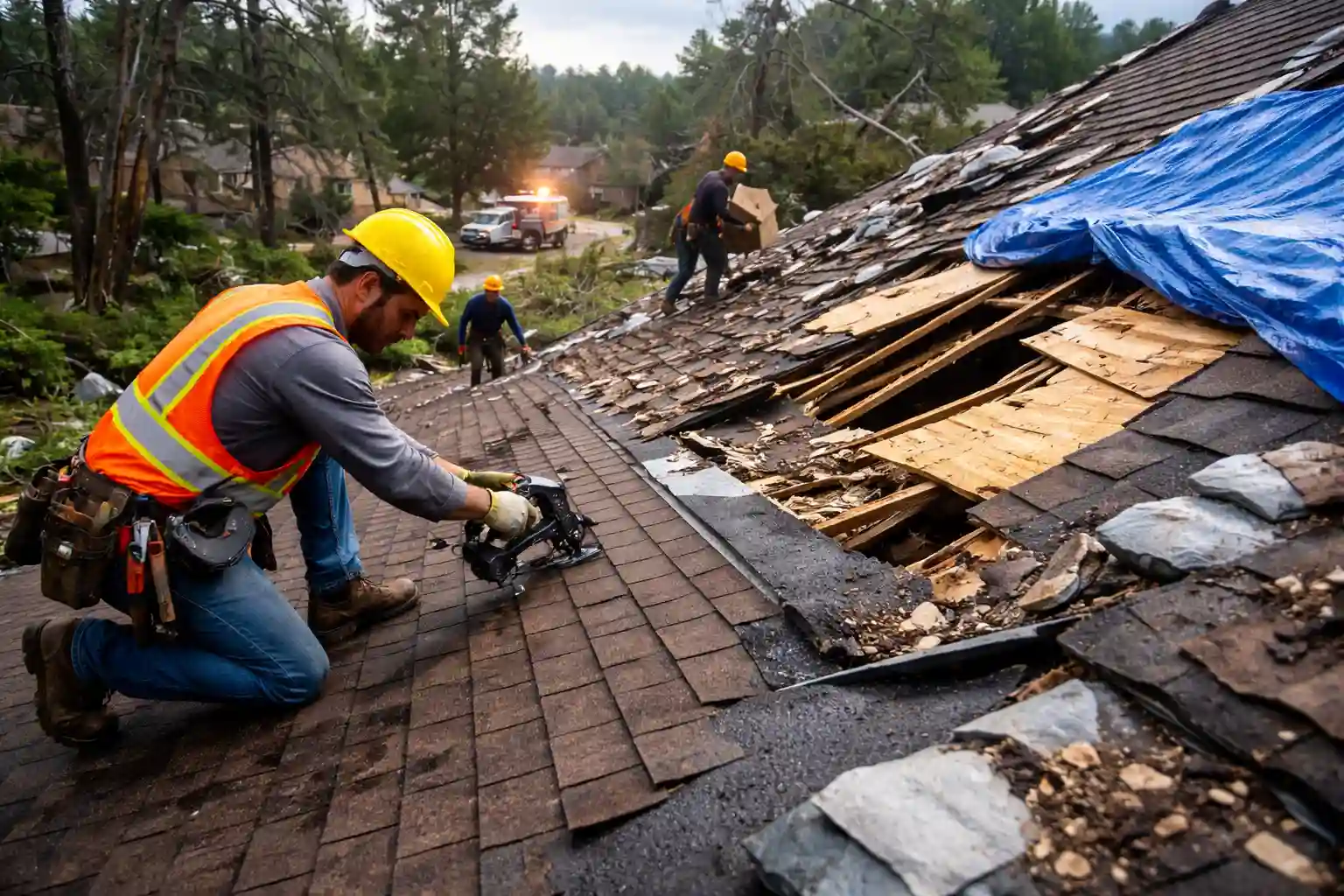
If you notice significant damage due to thermal cracking, it may be necessary to call for emergency repairs. Leaking roofs or large cracks require immediate attention to prevent further damage to your home. Emergency roof repairs can help mitigate the effects of thermal splitting and prevent water from entering your home, causing mold or structural damage.
How to Evaluate Heater Repair Companies Based on Reviews and Reputation
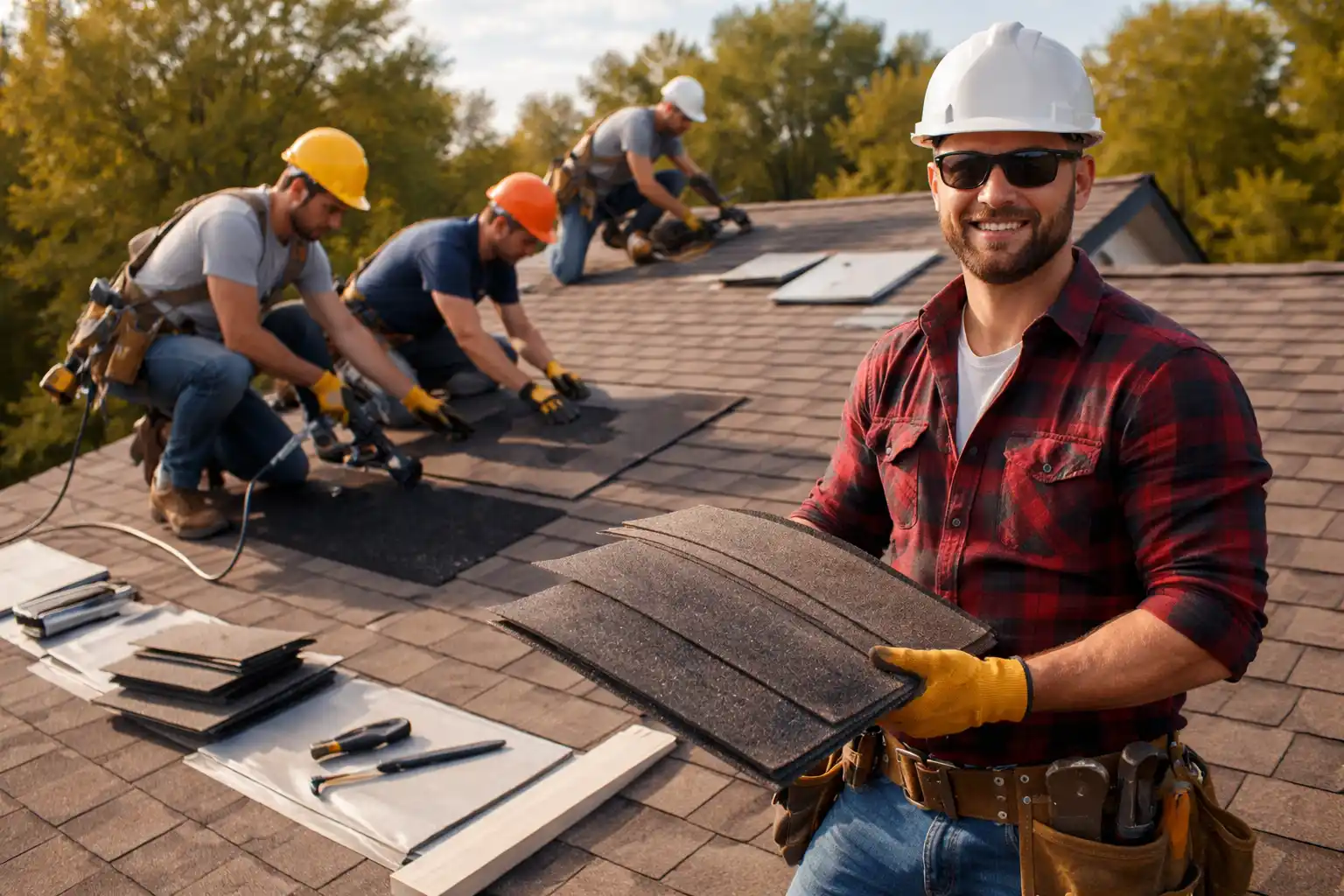
When choosing a roofing contractor to repair thermal cracking shingles, it’s crucial to check their reviews and reputation. Look for companies with a proven track record in dealing with thermal cracking issues and a history of providing high-quality service. Customer feedback on platforms like Google or Yelp can give you a sense of the company’s professionalism, reliability, and expertise.
Additionally, ask the company for references or examples of previous projects. A trustworthy roofing company will have no problem providing references and showing their successful track record in repairing thermal cracking shingles.

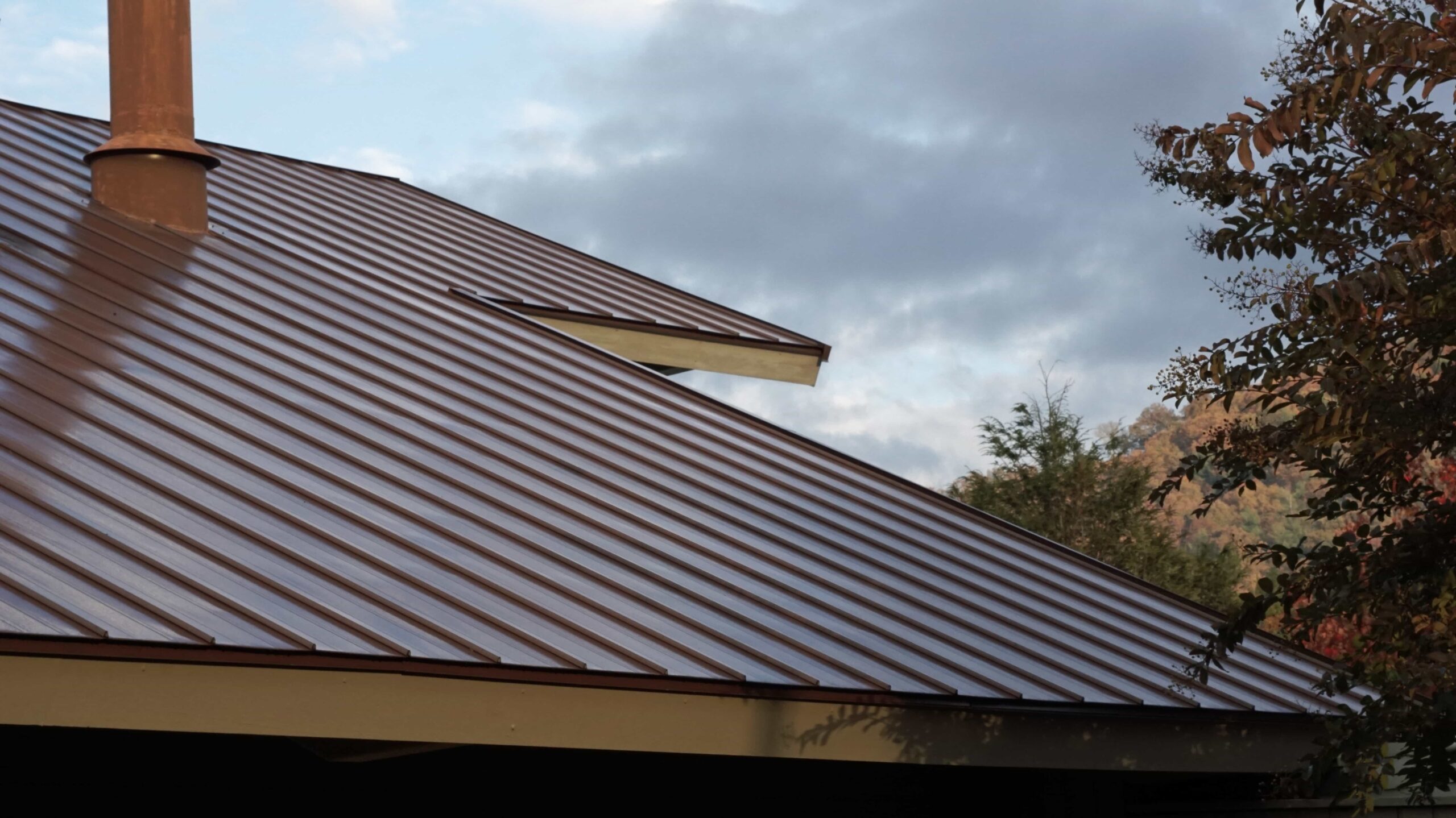
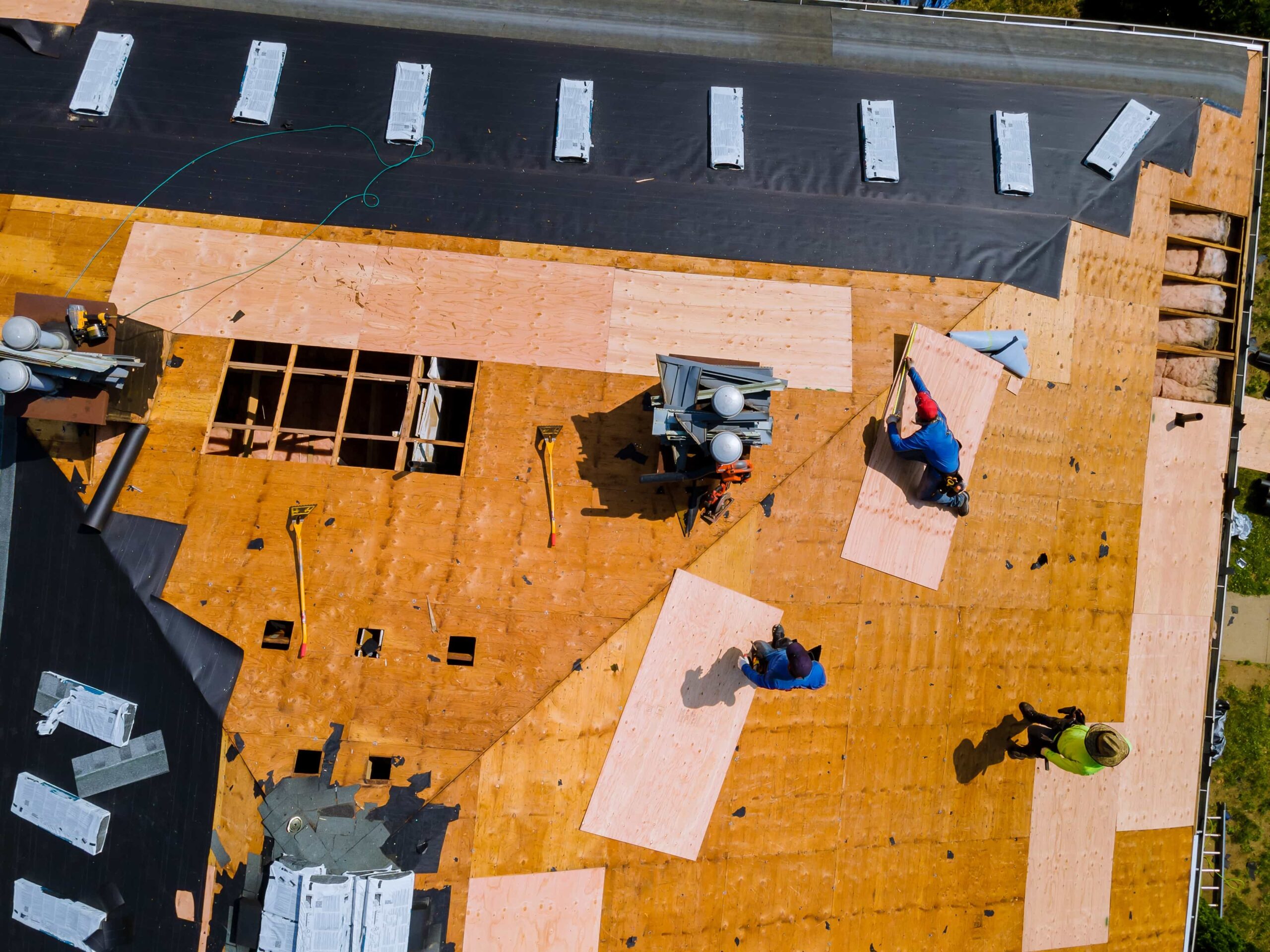
When planning a roofing project, whether it’s a simple repair or a complete replacement, understanding the roof estimate process is essential. A roof estimate provides a breakdown of the costs, materials, labor, and timeline for the project. It serves as a blueprint for your roofing contractor’s work and helps you ensure that the project stays within your budget. Knowing what to expect and how estimates are created can help you make informed decisions, avoid unexpected costs, and ensure that your roofing project is completed to the highest standards.
Understanding Thermal Splitting and Its Impact on Asphalt Shingles
Thermal splitting is a common but significant problem that can affect asphalt shingles, especially in climates with extreme temperature fluctuations. It occurs when asphalt shingles expand during the day due to the heat from the sun and contract at night as the temperature drops. This constant cycle of expansion and contraction puts immense stress on the shingles, often leading to cracks and splits. Over time, this process can cause substantial damage to the shingles, making them less effective at protecting your home and potentially leading to leaks and other issues.
Thermal splitting, also known as thermal cracking, is a type of wear and tear that occurs when shingles experience repeated cycles of heating and cooling. During the day, the sun’s heat causes asphalt shingles to expand, and at night, as the temperature drops, the shingles contract. Over time, this expansion and contraction create stress on the material. Asphalt shingles, which are made from a combination of fiberglass and asphalt, are susceptible to this stress because both materials expand and contract at different rates. When cracks form due to thermal splitting, the shingles lose their structural integrity, making them more vulnerable to other types of damage.
As these cracks grow, they can allow moisture to seep into the roof, which leads to water damage, mold growth, and even leaks. The overall effectiveness of your roof is compromised, and this can result in significant repair costs if not addressed promptly. Not only does thermal splitting shorten the lifespan of the shingles, but it also makes the roof less energy-efficient, allowing heat to escape during winter or entering during the summer.
What is Thermal Splitting and How Does it Affect Asphalt Shingles?
Thermal splitting, also known as thermal cracking, is a type of wear and tear that occurs when shingles experience repeated cycles of heating and cooling. During the day, the sun’s heat causes asphalt shingles to expand, and at night, as the temperature drops, the shingles contract. Over time, this expansion and contraction create stress on the material. Asphalt shingles, which are made from a combination of fiberglass and asphalt, are susceptible to this stress because both materials expand and contract at different rates. When cracks form due to thermal splitting, the shingles lose their structural integrity, making them more vulnerable to other types of damage.
As these cracks grow, they can allow moisture to seep into the roof, which leads to water damage, mold growth, and even leaks. The overall effectiveness of your roof is compromised, and this can result in significant repair costs if not addressed promptly. Not only does thermal splitting shorten the lifespan of the shingles, but it also makes the roof less energy-efficient, allowing heat to escape during winter or entering during the summer.
Causes of Thermal Cracking in Asphalt Shingles
The primary cause of thermal cracking in asphalt shingles is temperature fluctuations. When shingles are exposed to extreme changes in temperature, they expand during the heat of the day and contract as temperatures drop at night. This constant cycle weakens the material over time, leading to cracks and splits. However, other factors can also exacerbate thermal splitting. Poor installation is one such factor, as improperly installed shingles may not have enough room to expand and contract freely, causing them to crack prematurely.
Additionally, the quality of the shingles plays a significant role in how well they handle temperature changes. Low-quality shingles may lack the flexibility needed to withstand constant expansion and contraction. Older shingles that have been exposed to years of sun, wind, and rain also become more vulnerable to thermal cracking, as they lose their ability to adapt to temperature changes.
How to Prevent Thermal Splitting and Protect Your Roof
Preventing thermal splitting and protecting your roof involves both proper installation and regular maintenance. Here are several effective strategies to help minimize the risk of thermal cracking:
1. Choose High-Quality Shingles: One of the most important steps in preventing thermal splitting is to choose high-quality shingles designed to withstand temperature fluctuations. These shingles tend to have better flexibility and durability, making them less susceptible to cracking. Look for shingles with higher granule content, as these are less likely to degrade and crack under stress.
2. Proper Installation: Make sure your shingles are installed correctly. Proper installation includes allowing enough room for the shingles to expand and contract as needed. Hiring experienced and certified roofing contractors ensures that your shingles are laid down with the right amount of space, allowing for proper ventilation and airflow, which helps prevent excess moisture buildup.
3.Regular Roof Inspections: Regular inspections are essential for catching early signs of thermal splitting. During inspections, a professional can identify small cracks and take corrective actions before the damage becomes too severe. It’s recommended to inspect your roof at least once a year and after any significant weather event.
4. Roof Coating: Applying a reflective roof coating can help reduce the direct heat exposure that causes shingles to expand and contract. A reflective coating can protect your shingles from the sun’s rays, keeping them cooler and preventing the extreme temperature changes that lead to thermal cracking.
Signs Your Asphalt Shingles Are Suffering from Thermal Cracking
It’s important to recognize the early signs of thermal cracking in asphalt shingles to prevent further damage. Here are a few indicators that your shingles might be suffering from thermal splitting:
- Visible Cracks: If you notice visible cracks or splits in your shingles, it’s a clear sign that thermal splitting may be occurring. These cracks often start small but can grow larger over time, allowing water to seep into your roof.
- Loose or Missing Shingles: Shingles that have cracked or split can become loose and may fall off, leaving your roof exposed to the elements. Missing shingles leave gaps that allow water to infiltrate, leading to potential leaks.
- Water Leaks: One of the most serious consequences of thermal cracking is water leakage. If you notice water stains on your ceiling or walls, it may indicate that thermal splitting has caused the shingles to fail, allowing water to penetrate your home.
- Increased Energy Bills: A compromised roof due to thermal splitting can result in heat loss during the winter or heat gain in the summer. This makes your home less energy-efficient and can lead to higher heating and cooling costs.
Repair Options for Thermal Cracking Shingles
If you notice thermal splitting in your shingles, addressing the issue as soon as possible can prevent further damage. The most common repair option is replacing the damaged shingles. Replacing individual cracked shingles is a cost-effective solution and restores the integrity of your roof. If the thermal splitting is widespread, it may be necessary to replace the entire roof, especially if it has reached the end of its lifespan.
Why Regular Roof Maintenance Can Help Prevent Thermal Cracking Shingles
Regular roof maintenance is one of the most effective ways to prevent thermal cracking. A well-maintained roof ensures that small issues, like cracks, leaks, or debris buildup, are addressed before they become significant problems. Scheduling annual roof inspections can catch early signs of thermal splitting, allowing for timely repairs that prevent further damage.
Proper maintenance also involves cleaning the gutters, ensuring proper ventilation, and removing any debris from the roof that can cause excessive wear. By staying on top of maintenance, you can extend the lifespan of your roof and avoid costly repairs caused by thermal splitting.
Emergency Roof Repairs: When You Need Immediate Attention
If you notice significant damage due to thermal cracking, it may be necessary to call for emergency repairs. Leaking roofs or large cracks require immediate attention to prevent further damage to your home. Emergency roof repairs can help mitigate the effects of thermal splitting and prevent water from entering your home, causing mold or structural damage.
How to Evaluate Heater Repair Companies Based on Reviews and Reputation
When choosing a roofing contractor to repair thermal cracking shingles, it’s crucial to check their reviews and reputation. Look for companies with a proven track record in dealing with thermal cracking issues and a history of providing high-quality service. Customer feedback on platforms like Google or Yelp can give you a sense of the company’s professionalism, reliability, and expertise.
Additionally, ask the company for references or examples of previous projects. A trustworthy roofing company will have no problem providing references and showing their successful track record in repairing thermal cracking shingles.
Schedule a Free Inspection

Mon – Fri
9am : 5pm
Saturday
10am : 2pm
Sunday
Closed
CONTACT INFORMATION
ECG Corporate Location
TEXAS – COLORADO – OKLAHOMA | ➥ SEE ALL DIVISIONS
ECG COMMERCIAL