Understanding Roof Estimates: What to Expect from Professionals
When planning a roofing project, whether it’s a simple repair or a complete replacement, understanding the roof estimate process is essential. A roof estimate provides a breakdown of the costs, materials, labor, and timeline for the project. It serves as a blueprint for your roofing contractor’s work and helps you ensure that the project stays within your budget. Knowing what to expect and how estimates are created can help you make informed decisions, avoid unexpected costs, and ensure that your roofing project is completed to the highest standards.
Key Factors That Influence Roof Repair and Replacement Costs
The cost of roof repairs and replacements can vary greatly depending on a range of factors. Understanding these factors helps you get a more accurate estimate and anticipate the total project cost. Here are the key factors that affect roofing costs:
- Roof Size: The larger the roof, the more materials and labor will be required, which can increase the cost.
- Roof Pitch and Complexity: Steep or complex roof designs require more labor and safety precautions, which can drive up the cost.
- Material Type: Different materials (asphalt shingles, metal, clay tiles) come with varying costs. Some materials, like slate or metal, are more expensive, while others, like asphalt, are more affordable.
- Labor Costs: Labor rates can vary depending on the region and the complexity of the project. Highly skilled roofing contractors may charge higher rates for their expertise.
- Location: Roof repair costs can vary depending on your location and the availability of materials and labor in your area.
- Damage Severity: The extent of damage will influence costs, as significant repairs or structural issues may require more work and higher material costs.
The Process of Getting Accurate Roof Estimates for Repairs and Replacements
Obtaining an accurate roof estimate is crucial to ensure that your roofing project stays within budget and meets your expectations. The process typically begins with a consultation where the roofing contractor inspects your roof and discusses your needs. This inspection helps them assess the roof’s condition, the materials needed, and any potential complications.
Once the initial inspection is completed, the contractor will provide you with an estimate that includes the cost of materials, labor, and any additional services such as disposal of old roofing material or necessary repairs to the underlying structure. They should also provide a timeline for the project, including any potential delays due to weather or material availability.
Finally, it’s important to get multiple estimates from different contractors to compare pricing, services, and materials. Be sure to check if the contractor includes warranties for labor and materials, as well as insurance to cover any potential accidents during the project. This can help you choose the best contractor for the job and avoid any unexpected costs.
Comparing the Pros and Cons of Different Roofing Materials
Choosing the right roofing material is one of the most important decisions you’ll make for your home. Different materials offer various advantages, such as durability, energy efficiency, and aesthetic appeal, but they also come with their own set of drawbacks. Understanding the pros and cons of each material can help you select the best one for your needs.
Asphalt Shingles
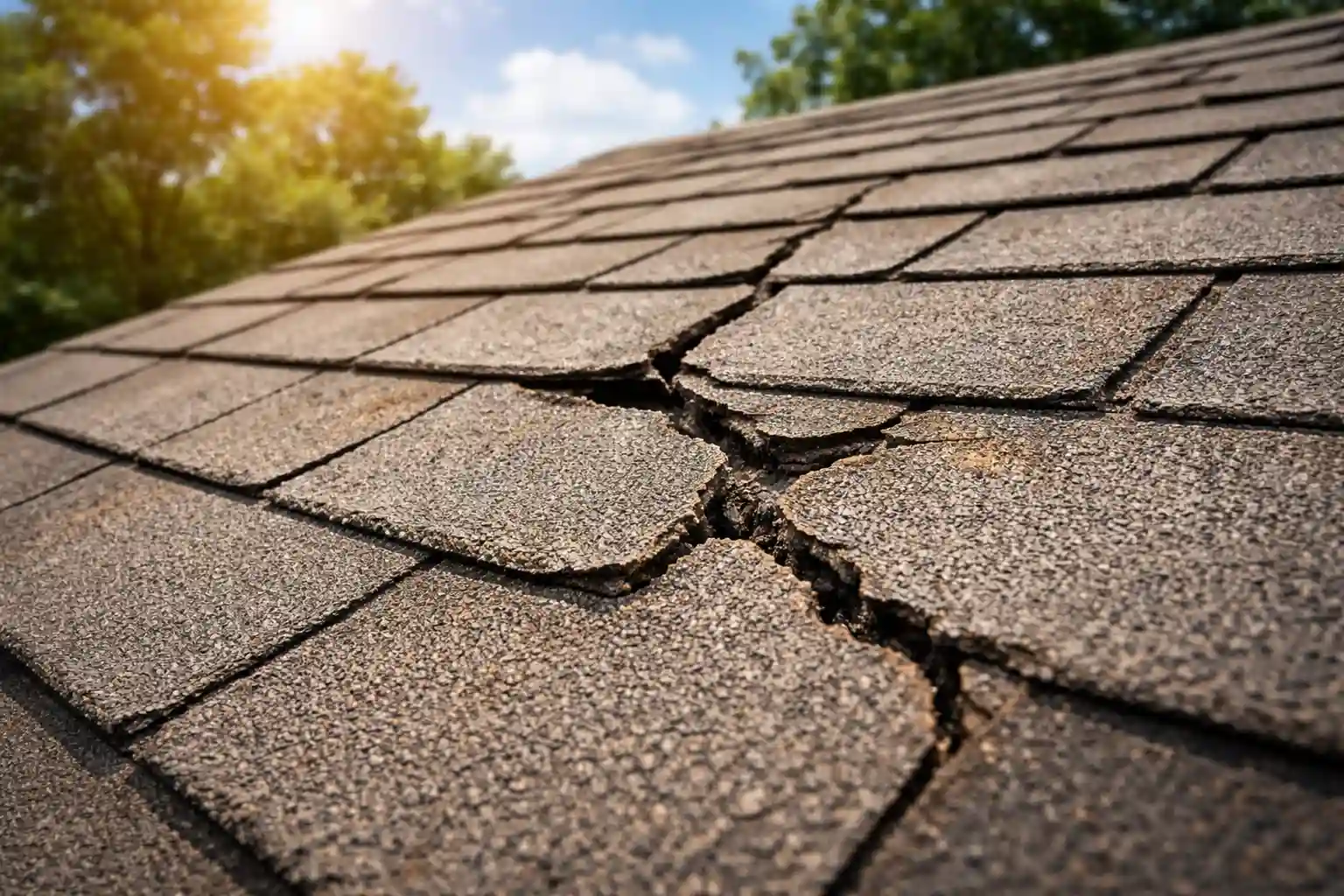
Asphalt shingles are one of the most popular roofing materials due to their affordability and ease of installation. They are widely available, come in a variety of colors, and are suitable for most residential roofs. However, their lifespan is generally shorter than that of other materials, and they may not withstand extreme weather conditions as well as metal or tile roofs.
One of the key advantages of asphalt shingles is their cost-effectiveness, making them an ideal choice for homeowners on a budget. Additionally, they require less maintenance compared to other materials, making them an attractive option for homeowners looking for a hassle-free roof solution. However, their susceptibility to damage from strong winds or hail can be a disadvantage in areas with severe weather conditions.
Metal Roofs
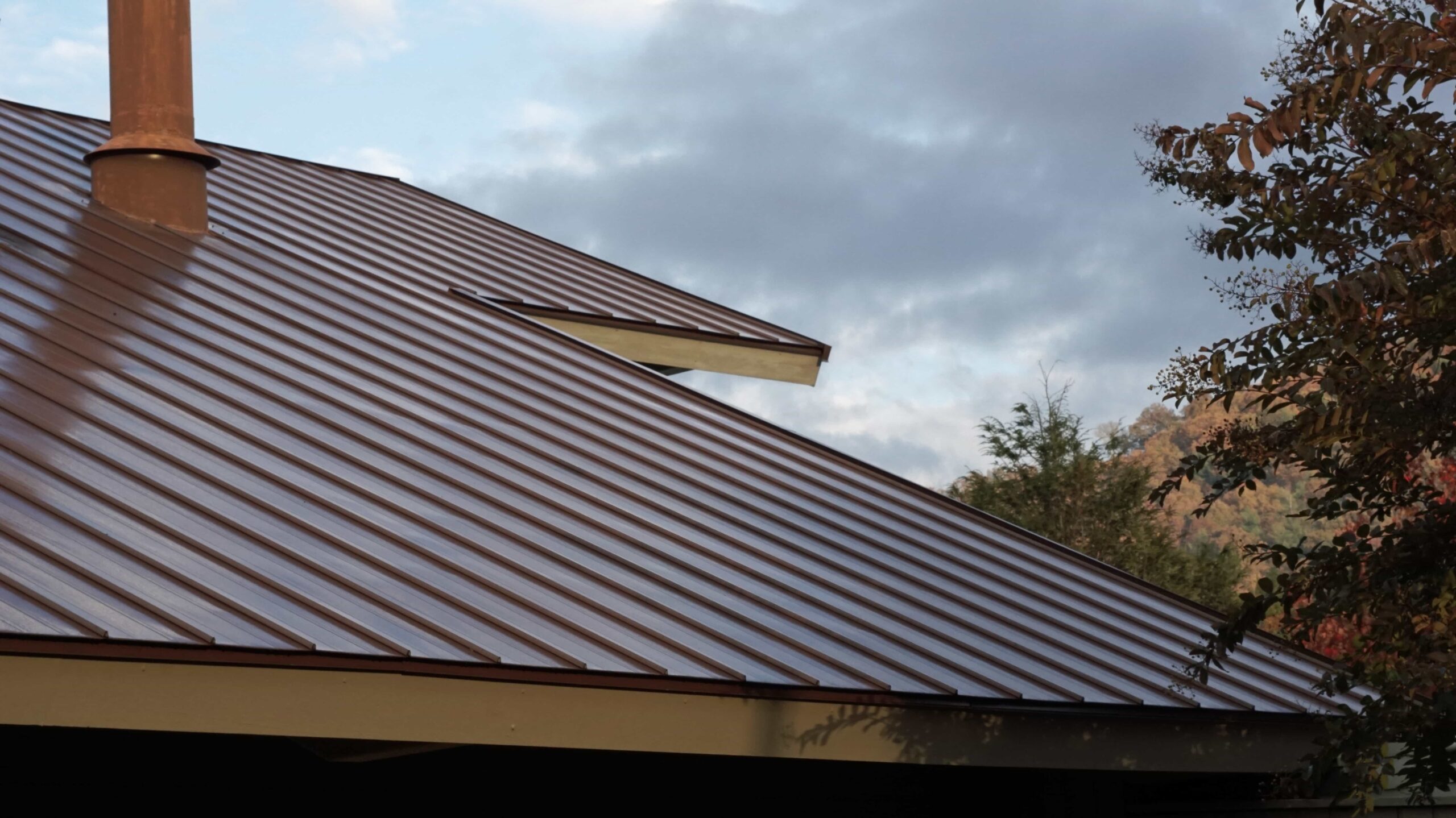
Metal roofs are known for their longevity and durability. They can last up to 50 years or more, and they are highly resistant to extreme weather conditions like high winds, heavy rain, and hail. Metal roofs also provide better energy efficiency due to their reflective properties, which help reduce cooling costs in warmer climates.
While metal roofs are more expensive upfront compared to asphalt shingles, their long lifespan and energy-saving qualities often make them a more economical option in the long term. Additionally, they require minimal maintenance and are resistant to fire and insect damage. However, metal roofs can be noisy during heavy rain or hail, and they may require specialized contractors for installation, which could increase labor costs.
Another consideration is that metal roofs can dent or scratch easily, especially in areas with frequent storms or falling debris. Proper installation and maintenance are necessary to avoid these issues.
Clay or Concrete Tiles
Clay and concrete tiles offer a distinct aesthetic appeal, often seen in Mediterranean-style or Spanish homes. These tiles are highly durable and can last for decades, with some lasting over 100 years if maintained properly. They are resistant to rot, pests, and fire, making them ideal for homes in areas prone to wildfires or extreme heat.
However, clay and concrete tiles are heavier than other roofing materials, which means the underlying structure may need reinforcement to support the weight. They are also more expensive, both in terms of materials and installation costs. Additionally, cracked tiles can be difficult to repair, and the roofing material may be prone to chipping or cracking in areas with freezing temperatures.
How to Choose the Right Roofing Option for Your Home
Choosing the right roofing option involves balancing your budget with your home’s needs and the local climate. Factors like the architectural style of your home, the weather conditions in your area, and your personal preferences all come into play when deciding on the best roofing material.
| Material | Pros | Cons |
| Asphalt Shingles | Affordable, easy installation, widely available | Shorter lifespan, less durable in extreme weather |
| Metal Roofs | Durable, energy-efficient, long lifespan | Expensive, noisy during storms, may dent |
| Clay/Concrete Tiles | Long-lasting, fire-resistant, aesthetically pleasing | Heavy, expensive, difficult to repair |
What to Include in a Comprehensive Roof Estimate
A comprehensive roof estimate should include a detailed breakdown of the costs, materials, and labor involved in the project. It should specify the type of roofing materials to be used, the expected timeline for completion, and any warranties on labor or materials. Additionally, the estimate should include an outline of any preparatory work that needs to be done, such as removing old roofing or repairing the roof deck.
The estimate should also list any additional services, such as gutter installation, ventilation improvements, or flashing repairs. Make sure to ask for a clear explanation of the payment terms, including any deposit requirements and when the full payment is due. A detailed estimate helps you understand what you’re paying for and prevents unexpected costs from arising during the project.
Finally, ensure that the roofing contractor includes insurance coverage and licenses as part of the estimate. This ensures that the work is done to the highest standard and protects you in case of any accidents or issues during the job.
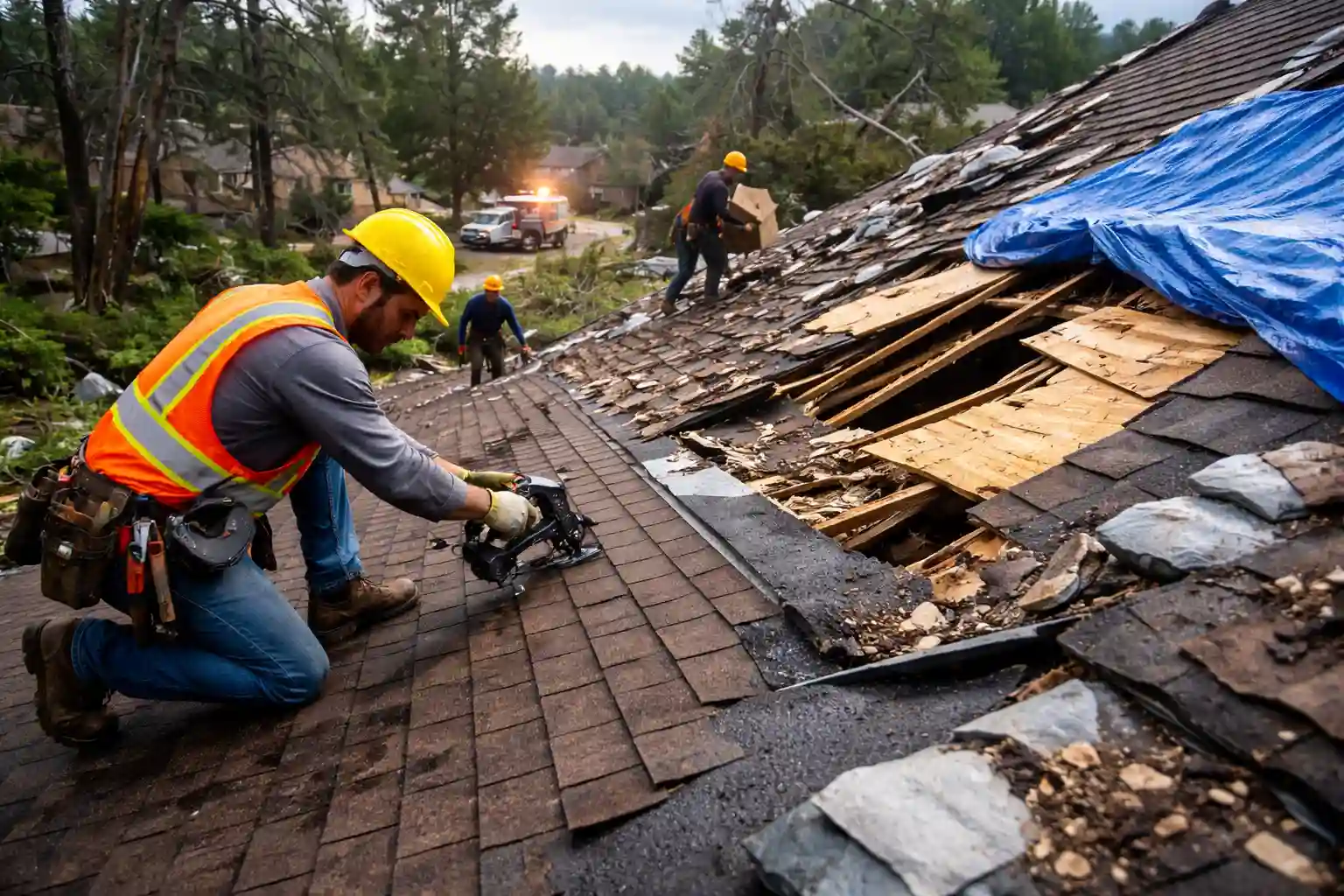
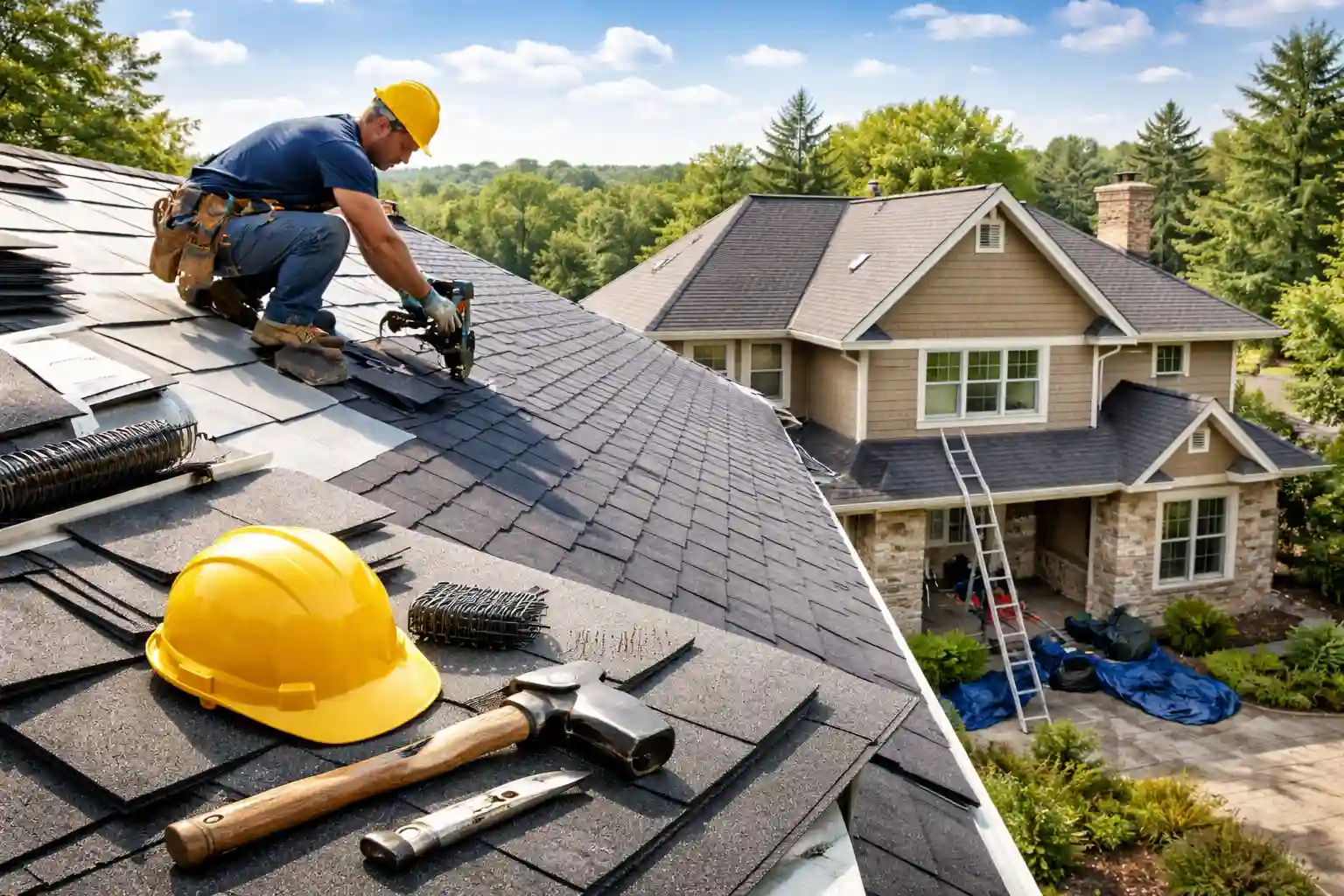

When planning a roofing project, whether it’s a simple repair or a complete replacement, understanding the roof estimate process is essential. A roof estimate provides a breakdown of the costs, materials, labor, and timeline for the project. It serves as a blueprint for your roofing contractor’s work and helps you ensure that the project stays within your budget. Knowing what to expect and how estimates are created can help you make informed decisions, avoid unexpected costs, and ensure that your roofing project is completed to the highest standards.
Key Factors That Influence Roof Repair and Replacement Costs
The cost of roof repairs and replacements can vary greatly depending on a range of factors. Understanding these factors helps you get a more accurate estimate and anticipate the total project cost. Here are the key factors that affect roofing costs:
- Roof Size: The larger the roof, the more materials and labor will be required, which can increase the cost.
- Roof Pitch and Complexity: Steep or complex roof designs require more labor and safety precautions, which can drive up the cost.
- Material Type: Different materials (asphalt shingles, metal, clay tiles) come with varying costs. Some materials, like slate or metal, are more expensive, while others, like asphalt, are more affordable.
- Labor Costs: Labor rates can vary depending on the region and the complexity of the project. Highly skilled roofing contractors may charge higher rates for their expertise.
- Location: Roof repair costs can vary depending on your location and the availability of materials and labor in your area.
- Damage Severity: The extent of damage will influence costs, as significant repairs or structural issues may require more work and higher material costs.
The Process of Getting Accurate Roof Estimates for Repairs and Replacements
Obtaining an accurate roof estimate is crucial to ensure that your roofing project stays within budget and meets your expectations. The process typically begins with a consultation where the roofing contractor inspects your roof and discusses your needs. This inspection helps them assess the roof’s condition, the materials needed, and any potential complications.
Once the initial inspection is completed, the contractor will provide you with an estimate that includes the cost of materials, labor, and any additional services such as disposal of old roofing material or necessary repairs to the underlying structure. They should also provide a timeline for the project, including any potential delays due to weather or material availability.
Finally, it’s important to get multiple estimates from different contractors to compare pricing, services, and materials. Be sure to check if the contractor includes warranties for labor and materials, as well as insurance to cover any potential accidents during the project. This can help you choose the best contractor for the job and avoid any unexpected costs.
Comparing the Pros and Cons of Different Roofing Materials
Choosing the right roofing material is one of the most important decisions you’ll make for your home. Different materials offer various advantages, such as durability, energy efficiency, and aesthetic appeal, but they also come with their own set of drawbacks. Understanding the pros and cons of each material can help you select the best one for your needs.
Asphalt Shingles
Asphalt shingles are one of the most popular roofing materials due to their affordability and ease of installation. They are widely available, come in a variety of colors, and are suitable for most residential roofs. However, their lifespan is generally shorter than that of other materials, and they may not withstand extreme weather conditions as well as metal or tile roofs.
One of the key advantages of asphalt shingles is their cost-effectiveness, making them an ideal choice for homeowners on a budget. Additionally, they require less maintenance compared to other materials, making them an attractive option for homeowners looking for a hassle-free roof solution. However, their susceptibility to damage from strong winds or hail can be a disadvantage in areas with severe weather conditions.
Metal Roofs
Metal roofs are known for their longevity and durability. They can last up to 50 years or more, and they are highly resistant to extreme weather conditions like high winds, heavy rain, and hail. Metal roofs also provide better energy efficiency due to their reflective properties, which help reduce cooling costs in warmer climates.
While metal roofs are more expensive upfront compared to asphalt shingles, their long lifespan and energy-saving qualities often make them a more economical option in the long term. Additionally, they require minimal maintenance and are resistant to fire and insect damage. However, metal roofs can be noisy during heavy rain or hail, and they may require specialized contractors for installation, which could increase labor costs.
Another consideration is that metal roofs can dent or scratch easily, especially in areas with frequent storms or falling debris. Proper installation and maintenance are necessary to avoid these issues.
Clay or Concrete Tiles
Clay and concrete tiles offer a distinct aesthetic appeal, often seen in Mediterranean-style or Spanish homes. These tiles are highly durable and can last for decades, with some lasting over 100 years if maintained properly. They are resistant to rot, pests, and fire, making them ideal for homes in areas prone to wildfires or extreme heat.
However, clay and concrete tiles are heavier than other roofing materials, which means the underlying structure may need reinforcement to support the weight. They are also more expensive, both in terms of materials and installation costs. Additionally, cracked tiles can be difficult to repair, and the roofing material may be prone to chipping or cracking in areas with freezing temperatures.
How to Choose the Right Roofing Option for Your Home
Choosing the right roofing option involves balancing your budget with your home’s needs and the local climate. Factors like the architectural style of your home, the weather conditions in your area, and your personal preferences all come into play when deciding on the best roofing material.
| Material | Pros | Cons |
| Asphalt Shingles | Affordable, easy installation, widely available | Shorter lifespan, less durable in extreme weather |
| Metal Roofs | Durable, energy-efficient, long lifespan | Expensive, noisy during storms, may dent |
| Clay/Concrete Tiles | Long-lasting, fire-resistant, aesthetically pleasing | Heavy, expensive, difficult to repair |
What to Include in a Comprehensive Roof Estimate
A comprehensive roof estimate should include a detailed breakdown of the costs, materials, and labor involved in the project. It should specify the type of roofing materials to be used, the expected timeline for completion, and any warranties on labor or materials. Additionally, the estimate should include an outline of any preparatory work that needs to be done, such as removing old roofing or repairing the roof deck.
The estimate should also list any additional services, such as gutter installation, ventilation improvements, or flashing repairs. Make sure to ask for a clear explanation of the payment terms, including any deposit requirements and when the full payment is due. A detailed estimate helps you understand what you’re paying for and prevents unexpected costs from arising during the project.
Finally, ensure that the roofing contractor includes insurance coverage and licenses as part of the estimate. This ensures that the work is done to the highest standard and protects you in case of any accidents or issues during the job.
Schedule a Free Inspection

Mon – Fri
9am : 5pm
Saturday
10am : 2pm
Sunday
Closed
CONTACT INFORMATION
ECG Corporate Location
TEXAS – COLORADO – OKLAHOMA | ➥ SEE ALL DIVISIONS
ECG COMMERCIAL