

Restoring Your Roof’s Integrity After Severe Weather Damage
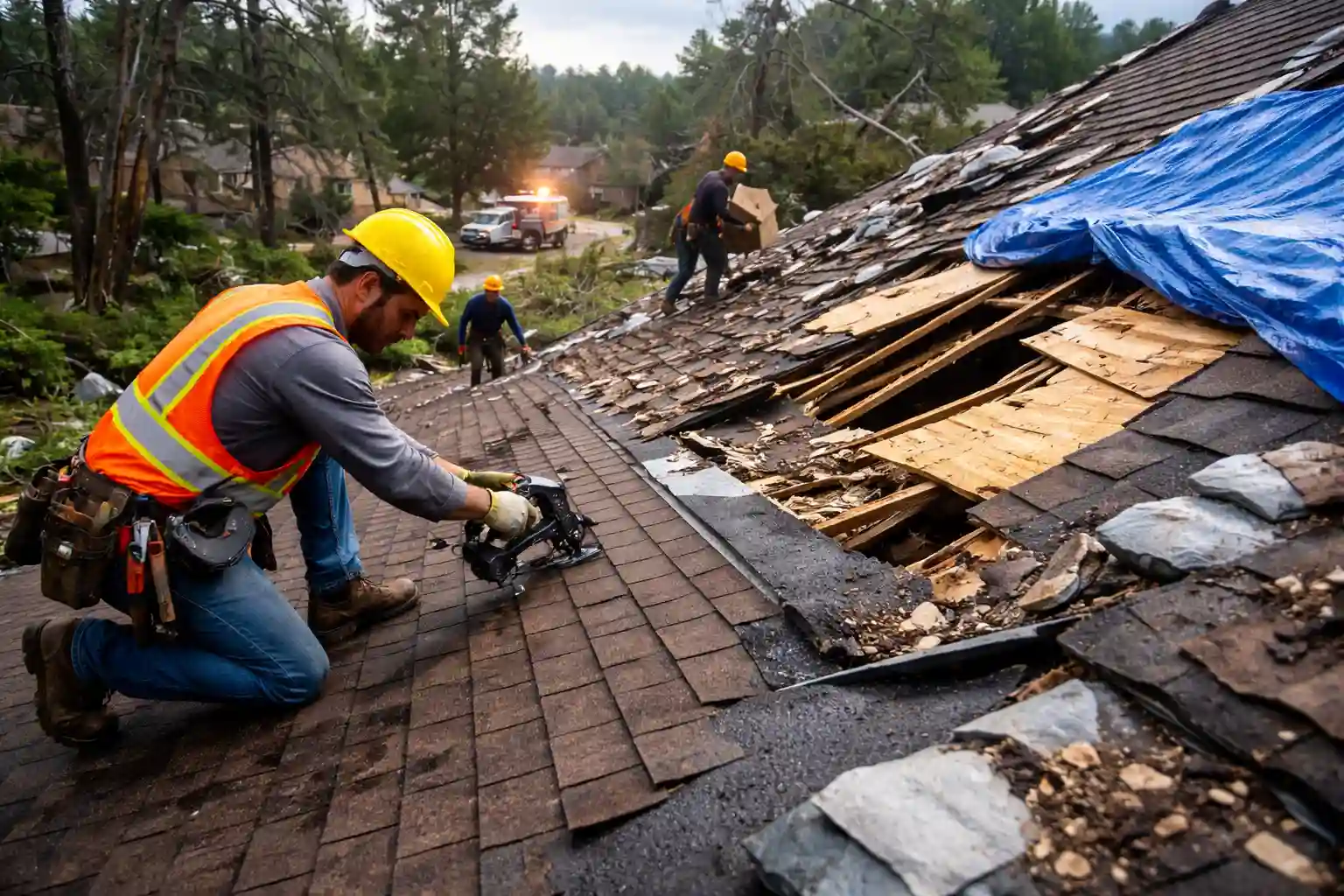
Severe weather conditions, such as hail, high winds, and storms, can cause significant damage to your roof, compromising its structural integrity. If left unaddressed, this damage can lead to leaks, water damage, and even further roof deterioration. Restoring your roof’s integrity involves thorough assessment, proper repair techniques, and proactive maintenance. This guide will help you understand the various types of damage, how to evaluate the severity, and the steps involved in repairing and maintaining your roof to ensure it stands strong against future weather events.
Identifying the Different Types of Roof Damage from Severe Weather
Roof damage from severe weather varies depending on the type of storm and the intensity of the conditions. Understanding the different types of damage helps homeowners identify issues early, reducing the risk of extensive repairs. Hail, high winds, and storms each contribute to different forms of damage that require specific repairs. Recognizing these signs early ensures that you take appropriate action, whether through immediate temporary fixes or scheduling a professional roof inspection and repair.
Damage Caused by Hail
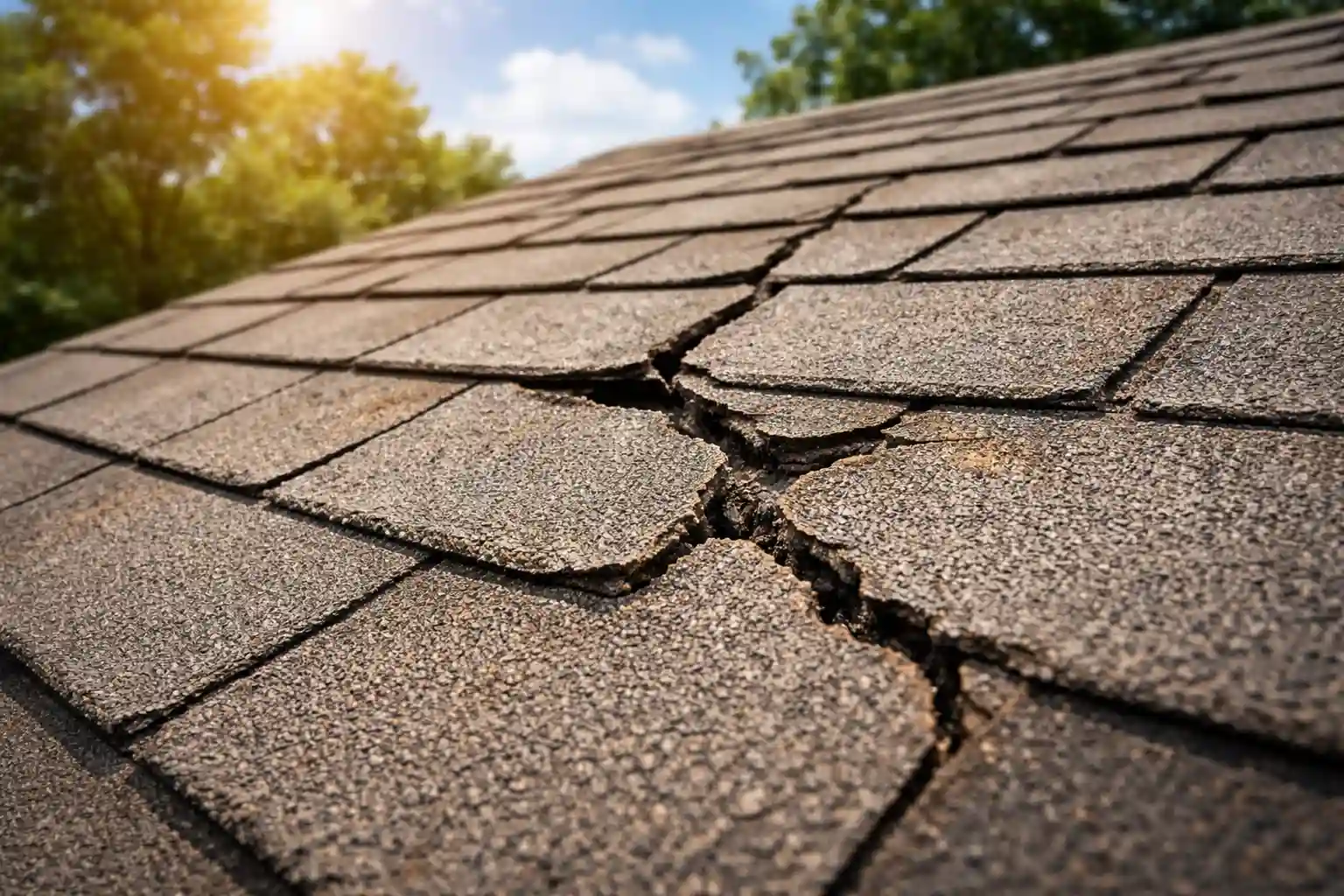
Hailstorms can be particularly damaging to roofs, especially if the hailstones are large and hit at high speeds. The impact of hail can cause dents, cracks, and punctures in shingles, leading to potential leaks. Asphalt shingles, in particular, are vulnerable to hail damage, as the granules that protect the shingles may be knocked off, leaving the underlying material exposed. This damage can result in faster wear and tear and reduced efficiency in the roof’s ability to protect the home.
If the hail is large enough, it can even puncture through the shingle layers, damaging the roof deck or insulation. This can allow moisture to enter, leading to water damage inside the house. After a hailstorm, it is essential to inspect your roof closely for any signs of dents, cracks, or missing granules to prevent further damage and avoid expensive repairs in the future.
Damage from High Winds
High winds can cause significant damage to roofing materials, particularly in areas where wind speeds reach hurricane or tornado levels. Wind can lift shingles, tiles, or even entire roof sections, leaving your roof exposed to water infiltration. In addition to removing or loosening shingles, wind can also cause damage to flashing, gutters, and other components, which may result in leaks and more extensive water damage if not promptly addressed.
Impact of Storms on Roofs
Severe storms, including those with heavy rain and hail, can cause extensive damage to roofing systems. The combination of rain and wind often leads to leaks, especially in areas where the roof is already compromised. Storms can also dislodge or damage the protective layers of the roof, causing underlying materials to be exposed to the elements. It’s important to inspect the roof for leaks, sagging areas, or damage to seals around vents and chimneys, as these can all be vulnerable points during a storm.
How to Evaluate the Severity of Roof Damage
To evaluate the severity of roof damage, it’s essential to perform a thorough inspection, either on your own or with the help of a professional roofing contractor. Start by looking for obvious signs such as missing or broken shingles, granule loss, or visible cracks. Check for leaks inside your home, as this can indicate water infiltration through damaged roofing materials. If there are signs of water damage or stains on the ceiling, it’s a clear indicator that the roof is compromised.
| Damage Type | Signs of Damage | Potential Repair Solutions |
| Hail Damage | Visible dents, cracks, and missing granules on shingles. | Shingle replacement or patching, depending on severity. |
| Wind Damage | Lifting shingles, missing roof sections, or damage to flashing. | Reinstallation of shingles, repair of flashing, or complete re-roofing. |
| Storm Damage | Leaks, water stains, and damaged flashing around vents or chimneys. | Waterproofing, sealant application, or full replacement of affected areas. |
Step-by-Step Guide to Roof Repair After Severe Weather
Essential Tools for Effective Roof Repair
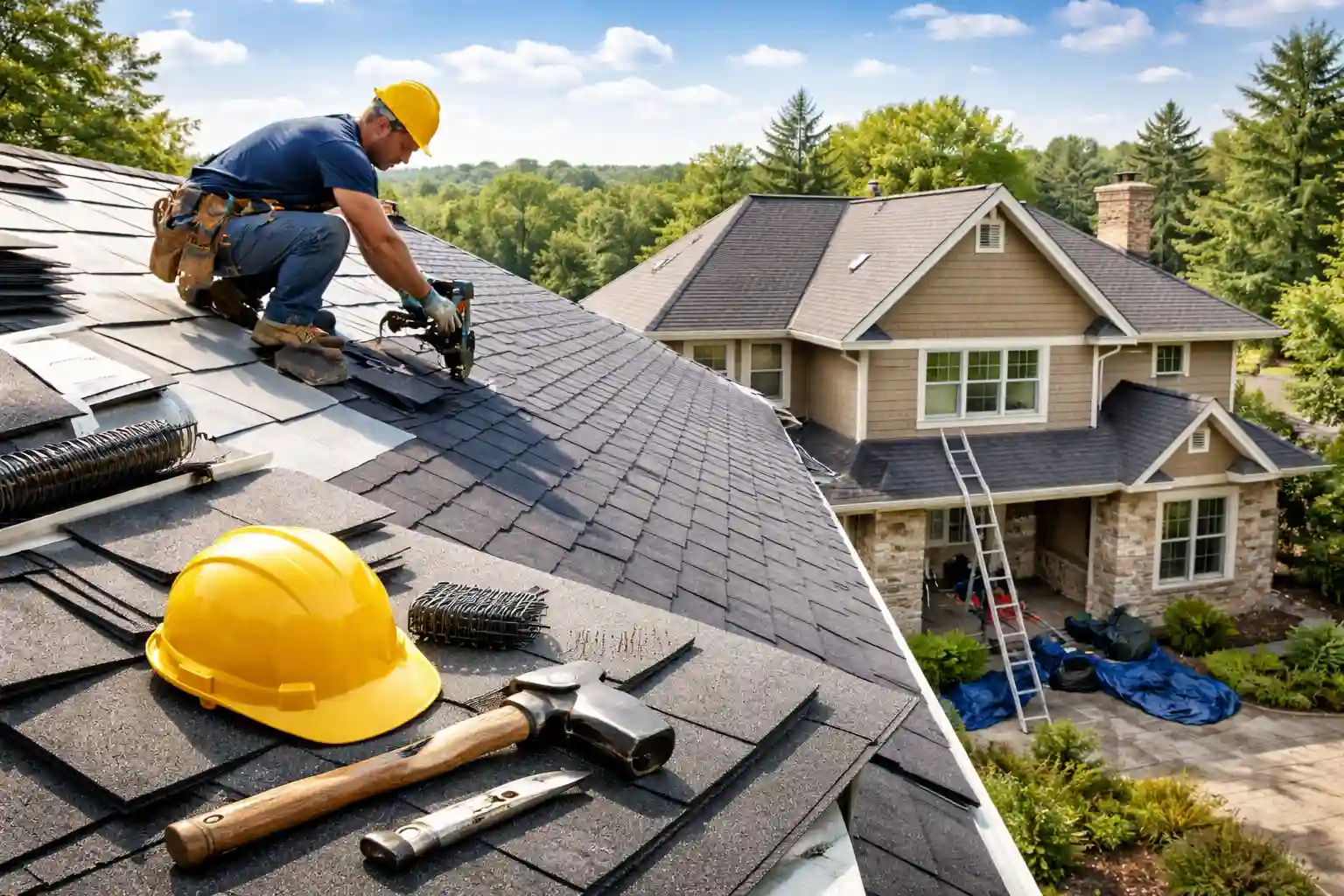
When performing roof repairs after severe weather damage, having the right tools is crucial. Basic tools such as a ladder, roofing hammer, utility knife, and gloves are essential for safety and efficiency. A pry bar is also important for removing damaged shingles, while a roofing adhesive or sealant helps to secure the new materials in place. For more significant repairs, you may also need a roofing nailer or compressor to properly fasten shingles or tiles to the roof structure.
Additionally, a safety harness and ropes are highly recommended, especially for homeowners or workers who need to access high or steep roofs. Always ensure you have the proper safety equipment when repairing roof damage to avoid accidents. If you’re unsure about handling repairs yourself, it’s best to call in a professional roofing contractor who has access to the necessary tools and expertise to complete the repairs effectively.
Materials Required for Roof Restoration
When repairing a damaged roof, having the correct materials is just as important as using the right tools. Essential materials for roof restoration include roofing shingles (asphalt, metal, or other types depending on your roof), roofing nails, adhesives, flashing, and underlayment. It’s important to choose materials that match the existing roof type to maintain uniformity and ensure a proper seal. Flashing and underlayment are especially important for preventing future leaks and ensuring the roof’s waterproofing capabilities.
- Roofing shingles or tiles
- Roofing nails and fasteners
- Sealants and adhesives
- Flashing and underlayment
- Roofing felt or membrane
Proven Techniques for Successful Roof Damage Repairs
Successful roof repairs require careful attention to detail and the use of proper techniques. Start by cleaning the area to remove debris, broken shingles, or other materials that may obstruct the repair process. Next, apply underlayment or new shingles, ensuring that each layer is securely fastened and aligned with the roof structure. Be sure to seal edges and seams properly to prevent water infiltration. For damaged flashing, replace it or reattach it securely, ensuring that it directs water away from vulnerable areas like vents and chimneys.
It’s important to check for leaks after the repair is completed to ensure everything is sealed correctly. Using a hose or water testing can help you verify that the roof is fully waterproofed and functioning properly. If you’re uncertain about handling repairs yourself, consider consulting a professional roofing contractor to ensure the job is done correctly and safely.
When to Call a Professional for Roof Repair vs. DIY Solutions
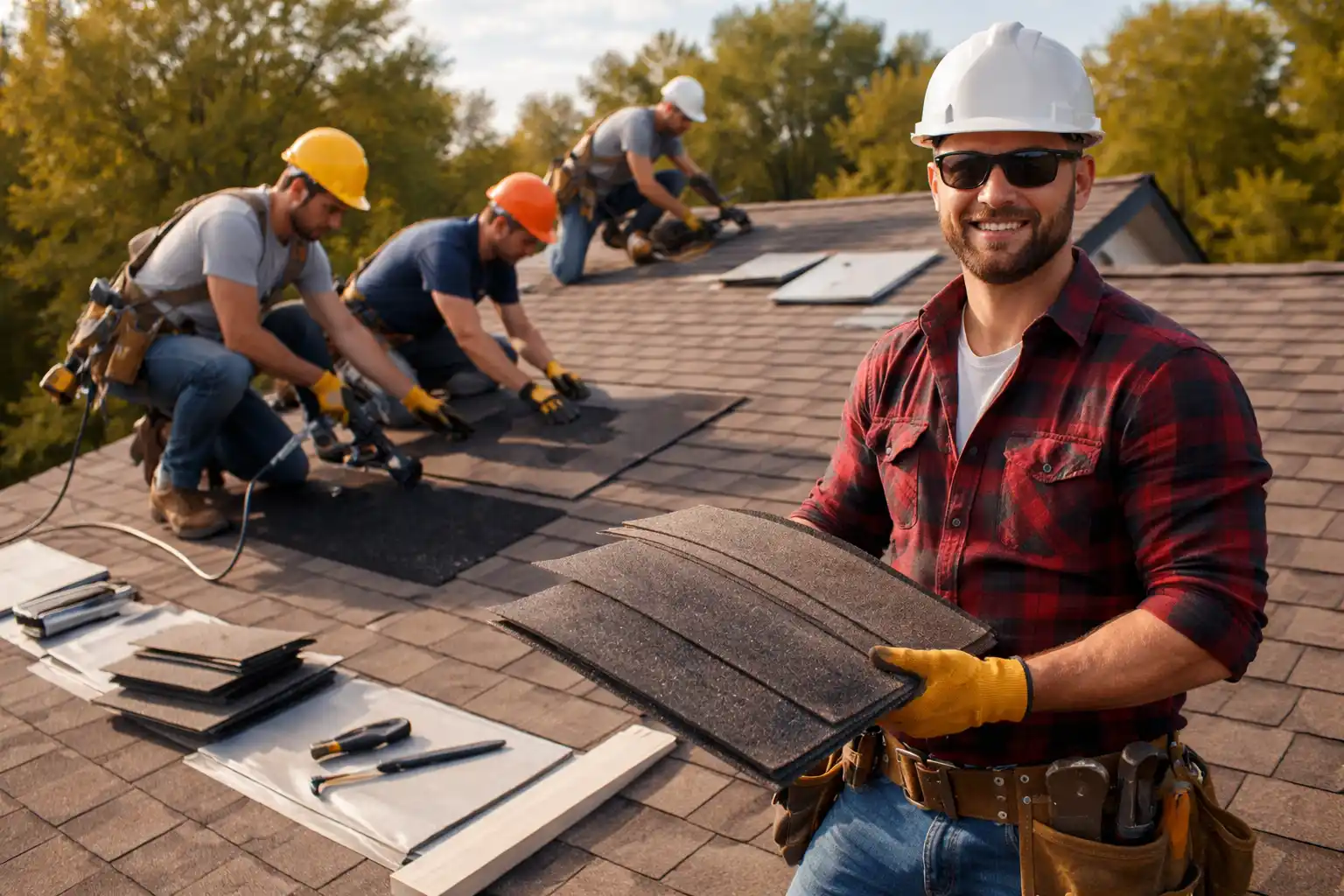
While minor roof repairs can often be handled by homeowners, there are instances where calling a professional is the safest and most effective option. If the damage is extensive, if you’re unsure of the cause of the damage, or if your roof is steep or high, it’s best to consult a professional. Roofing contractors have the experience and tools necessary to handle repairs safely and efficiently, ensuring that the work is done to the highest standards.
Additionally, professional roofers can provide a thorough inspection to ensure that all damage is addressed, preventing future issues. While DIY repairs can save money in the short term, an improper fix can lead to more costly problems down the road. If you’re uncertain, always err on the side of caution and contact a certified roofing contractor for assistance.
Preventing Future Roof Damage from Storms and Hail
To reduce the risk of future roof damage from storms and hail, consider installing impact-resistant roofing materials that can withstand extreme weather. Regular maintenance, such as cleaning gutters, inspecting flashing, and replacing worn shingles, can also help prevent damage from worsening. Additionally, securing loose objects around your property, such as tree branches, can minimize the impact of wind and hail on your roof. Taking these proactive steps can extend the life of your roof and ensure your home remains protected from severe weather.

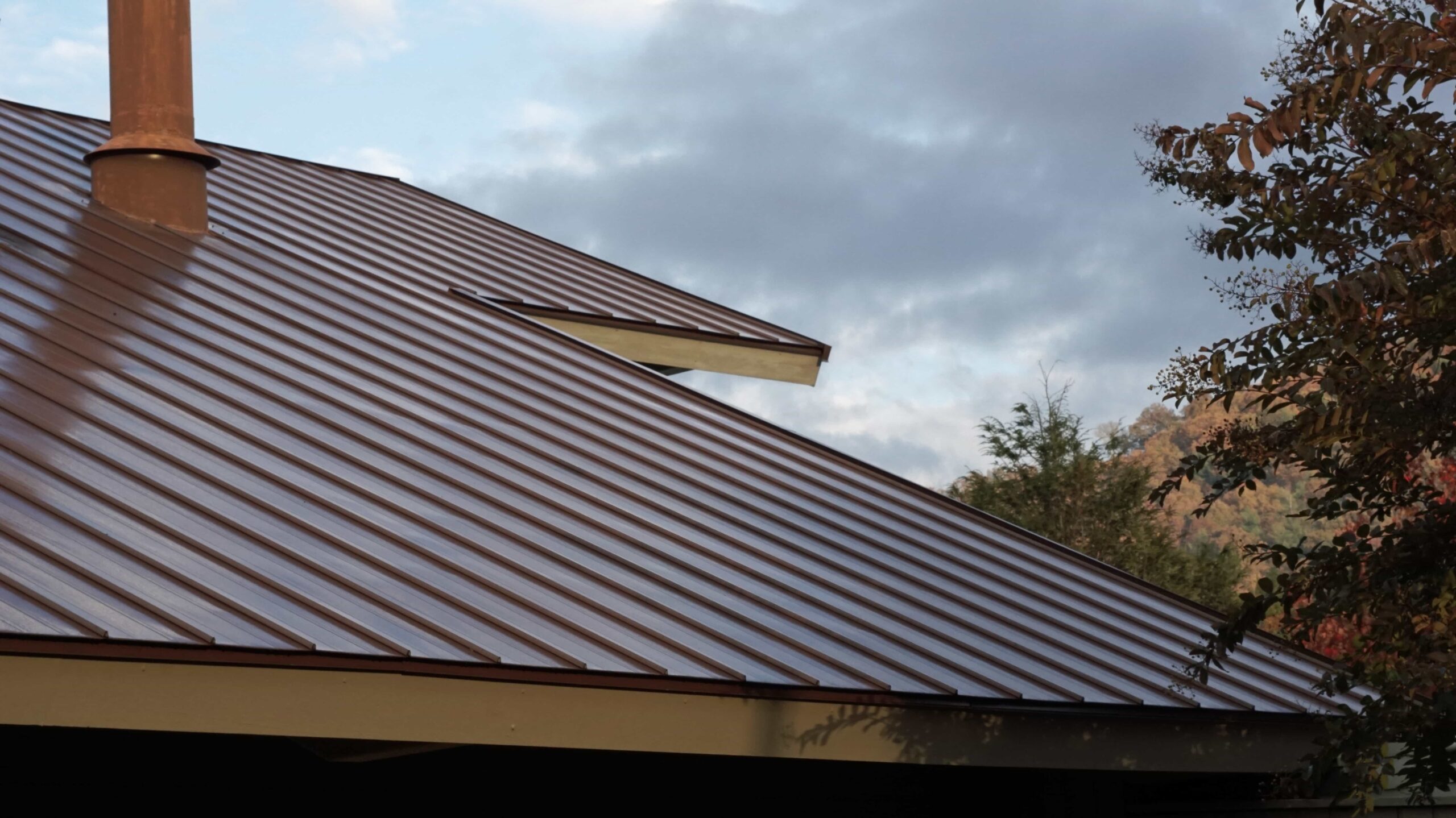
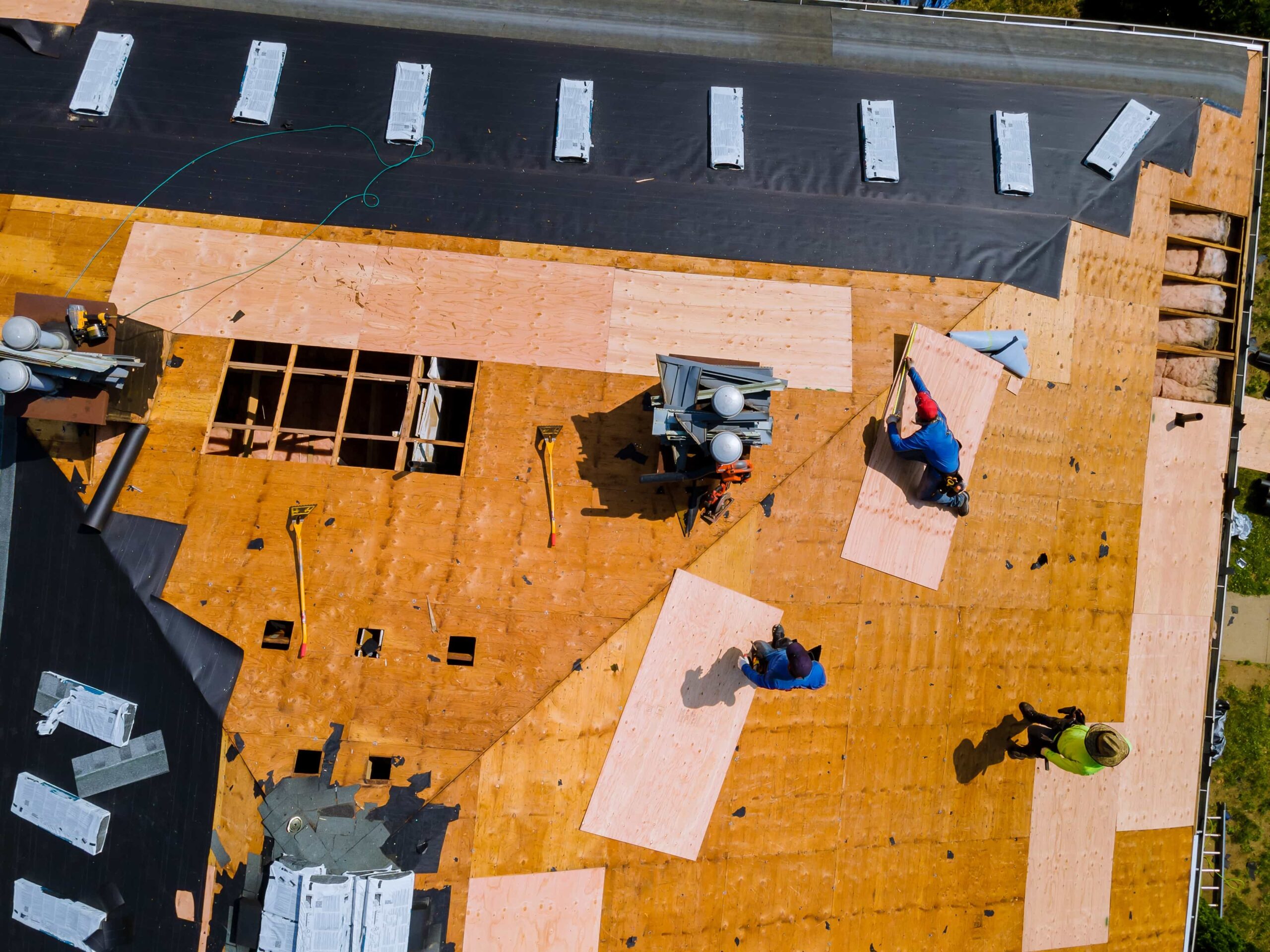
Severe weather conditions, such as hail, high winds, and storms, can cause significant damage to your roof, compromising its structural integrity. If left unaddressed, this damage can lead to leaks, water damage, and even further roof deterioration. Restoring your roof’s integrity involves thorough assessment, proper repair techniques, and proactive maintenance. This guide will help you understand the various types of damage, how to evaluate the severity, and the steps involved in repairing and maintaining your roof to ensure it stands strong against future weather events.
Identifying the Different Types of Roof Damage from Severe Weather
Roof damage from severe weather varies depending on the type of storm and the intensity of the conditions. Understanding the different types of damage helps homeowners identify issues early, reducing the risk of extensive repairs. Hail, high winds, and storms each contribute to different forms of damage that require specific repairs. Recognizing these signs early ensures that you take appropriate action, whether through immediate temporary fixes or scheduling a professional roof inspection and repair.
Damage Caused by Hail
Hailstorms can be particularly damaging to roofs, especially if the hailstones are large and hit at high speeds. The impact of hail can cause dents, cracks, and punctures in shingles, leading to potential leaks. Asphalt shingles, in particular, are vulnerable to hail damage, as the granules that protect the shingles may be knocked off, leaving the underlying material exposed. This damage can result in faster wear and tear and reduced efficiency in the roof’s ability to protect the home.
If the hail is large enough, it can even puncture through the shingle layers, damaging the roof deck or insulation. This can allow moisture to enter, leading to water damage inside the house. After a hailstorm, it is essential to inspect your roof closely for any signs of dents, cracks, or missing granules to prevent further damage and avoid expensive repairs in the future.
Damage from High Winds
High winds can cause significant damage to roofing materials, particularly in areas where wind speeds reach hurricane or tornado levels. Wind can lift shingles, tiles, or even entire roof sections, leaving your roof exposed to water infiltration. In addition to removing or loosening shingles, wind can also cause damage to flashing, gutters, and other components, which may result in leaks and more extensive water damage if not promptly addressed.
Impact of Storms on Roofs
Severe storms, including those with heavy rain and hail, can cause extensive damage to roofing systems. The combination of rain and wind often leads to leaks, especially in areas where the roof is already compromised. Storms can also dislodge or damage the protective layers of the roof, causing underlying materials to be exposed to the elements. It’s important to inspect the roof for leaks, sagging areas, or damage to seals around vents and chimneys, as these can all be vulnerable points during a storm.
How to Evaluate the Severity of Roof Damage
To evaluate the severity of roof damage, it’s essential to perform a thorough inspection, either on your own or with the help of a professional roofing contractor. Start by looking for obvious signs such as missing or broken shingles, granule loss, or visible cracks. Check for leaks inside your home, as this can indicate water infiltration through damaged roofing materials. If there are signs of water damage or stains on the ceiling, it’s a clear indicator that the roof is compromised.
| Damage Type | Signs of Damage | Potential Repair Solutions |
| Hail Damage | Visible dents, cracks, and missing granules on shingles. | Shingle replacement or patching, depending on severity. |
| Wind Damage | Lifting shingles, missing roof sections, or damage to flashing. | Reinstallation of shingles, repair of flashing, or complete re-roofing. |
| Storm Damage | Leaks, water stains, and damaged flashing around vents or chimneys. | Waterproofing, sealant application, or full replacement of affected areas. |
Step-by-Step Guide to Roof Repair After Severe Weather
Essential Tools for Effective Roof Repair
When performing roof repairs after severe weather damage, having the right tools is crucial. Basic tools such as a ladder, roofing hammer, utility knife, and gloves are essential for safety and efficiency. A pry bar is also important for removing damaged shingles, while a roofing adhesive or sealant helps to secure the new materials in place. For more significant repairs, you may also need a roofing nailer or compressor to properly fasten shingles or tiles to the roof structure.
Additionally, a safety harness and ropes are highly recommended, especially for homeowners or workers who need to access high or steep roofs. Always ensure you have the proper safety equipment when repairing roof damage to avoid accidents. If you’re unsure about handling repairs yourself, it’s best to call in a professional roofing contractor who has access to the necessary tools and expertise to complete the repairs effectively.
Materials Required for Roof Restoration
When repairing a damaged roof, having the correct materials is just as important as using the right tools. Essential materials for roof restoration include roofing shingles (asphalt, metal, or other types depending on your roof), roofing nails, adhesives, flashing, and underlayment. It’s important to choose materials that match the existing roof type to maintain uniformity and ensure a proper seal. Flashing and underlayment are especially important for preventing future leaks and ensuring the roof’s waterproofing capabilities.
- Roofing shingles or tiles
- Roofing nails and fasteners
- Sealants and adhesives
- Flashing and underlayment
- Roofing felt or membrane
Proven Techniques for Successful Roof Damage Repairs
Successful roof repairs require careful attention to detail and the use of proper techniques. Start by cleaning the area to remove debris, broken shingles, or other materials that may obstruct the repair process. Next, apply underlayment or new shingles, ensuring that each layer is securely fastened and aligned with the roof structure. Be sure to seal edges and seams properly to prevent water infiltration. For damaged flashing, replace it or reattach it securely, ensuring that it directs water away from vulnerable areas like vents and chimneys.
It’s important to check for leaks after the repair is completed to ensure everything is sealed correctly. Using a hose or water testing can help you verify that the roof is fully waterproofed and functioning properly. If you’re uncertain about handling repairs yourself, consider consulting a professional roofing contractor to ensure the job is done correctly and safely.
When to Call a Professional for Roof Repair vs. DIY Solutions
While minor roof repairs can often be handled by homeowners, there are instances where calling a professional is the safest and most effective option. If the damage is extensive, if you’re unsure of the cause of the damage, or if your roof is steep or high, it’s best to consult a professional. Roofing contractors have the experience and tools necessary to handle repairs safely and efficiently, ensuring that the work is done to the highest standards.
Additionally, professional roofers can provide a thorough inspection to ensure that all damage is addressed, preventing future issues. While DIY repairs can save money in the short term, an improper fix can lead to more costly problems down the road. If you’re uncertain, always err on the side of caution and contact a certified roofing contractor for assistance.
Preventing Future Roof Damage from Storms and Hail
To reduce the risk of future roof damage from storms and hail, consider installing impact-resistant roofing materials that can withstand extreme weather. Regular maintenance, such as cleaning gutters, inspecting flashing, and replacing worn shingles, can also help prevent damage from worsening. Additionally, securing loose objects around your property, such as tree branches, can minimize the impact of wind and hail on your roof. Taking these proactive steps can extend the life of your roof and ensure your home remains protected from severe weather.
Schedule a Free Inspection

Mon – Fri
9am : 5pm
Saturday
10am : 2pm
Sunday
Closed
CONTACT INFORMATION
ECG Corporate Location
TEXAS – COLORADO – OKLAHOMA | ➥ SEE ALL DIVISIONS
ECG COMMERCIAL