Comprehensive Roofing Solutions: Everything You Need to Know
When it comes to maintaining or replacing your roof, having a clear understanding of roofing solutions is essential. Whether you’re considering a commercial roof replacement or tackling a residential roof installation, knowing the ins and outs of each process can save you time, money, and stress. This guide covers everything you need to know about roofing, from choosing materials to managing repairs, ensuring your roof serves you well for years to come.
How to Choose the Right Roofing Material for Your Project
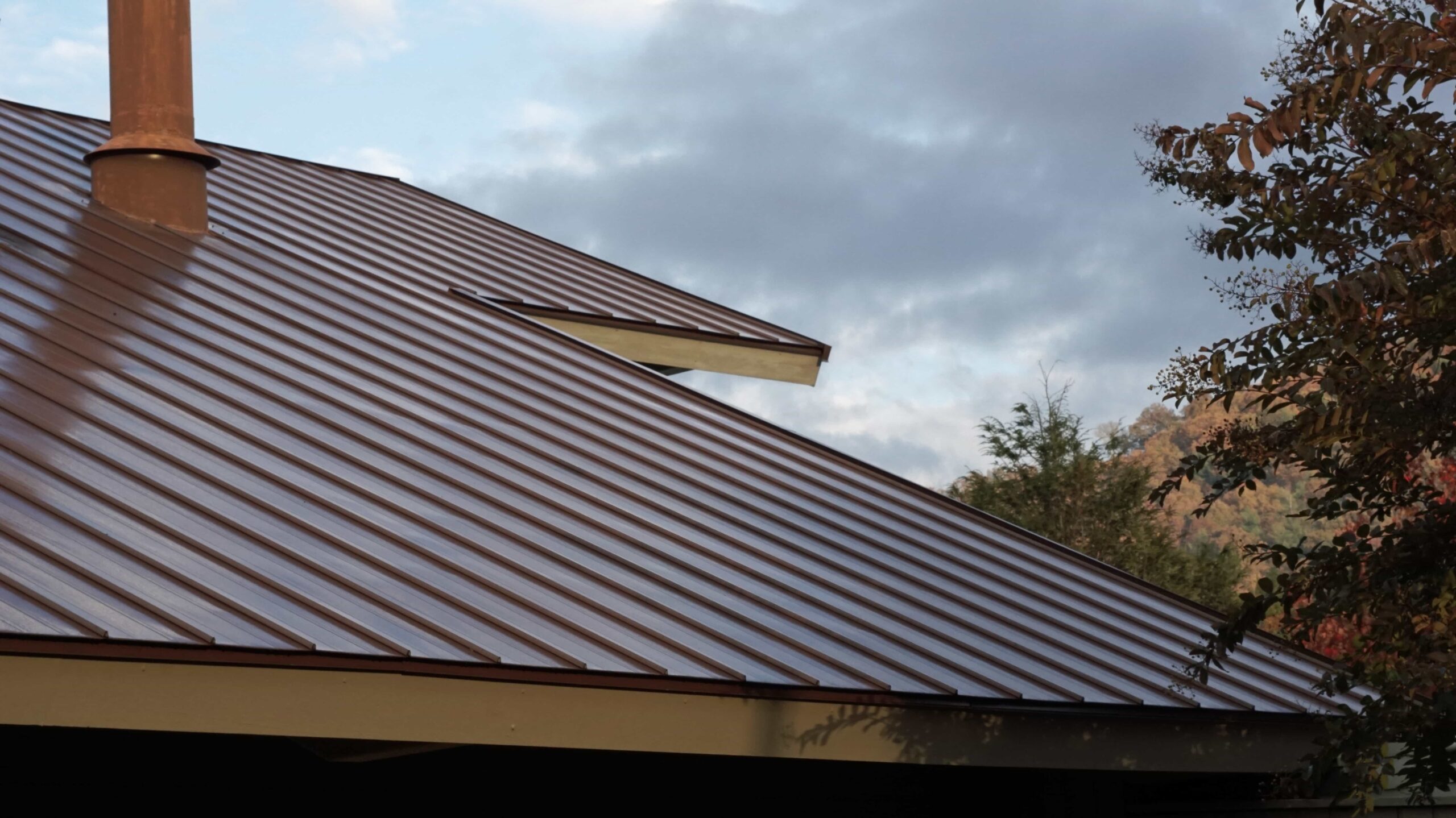
Choosing the right roofing material is critical to the longevity, durability, and efficiency of your roof. Various materials, such as asphalt shingles, metal, clay tiles, and slate, offer different benefits. Asphalt shingles are affordable and versatile, while metal roofs provide longevity and are highly resistant to extreme weather. Clay tiles and slate are ideal for aesthetic appeal and high-end installations but come with a higher price tag.
Before making a decision, consider factors such as your budget, the climate in your area, the style of your home, and how long you plan to stay in the property. Your roofing contractor can also provide insights into the best materials for your specific needs, ensuring that you select the material that aligns with your goals and offers the best value over time.
Understanding the Importance of Timely Commercial Roof Replacements
Commercial roofs are a significant investment for any business, and timely roof replacement is crucial to protecting the building, maintaining the safety of employees, and ensuring smooth operations. Waiting too long to replace a worn-out roof can lead to costly repairs, safety hazards, and even damage to the building’s interior. Regular inspections can help identify the signs of deterioration and prevent costly emergency repairs.
Replacing your commercial roof at the right time ensures that your building remains energy-efficient, safe, and free from leaks that could disrupt business operations. This also improves the building’s overall value, making it a wise long-term investment for business owners.
Step-by-Step Guide to Handling Emergency Roof Repairs Effectively
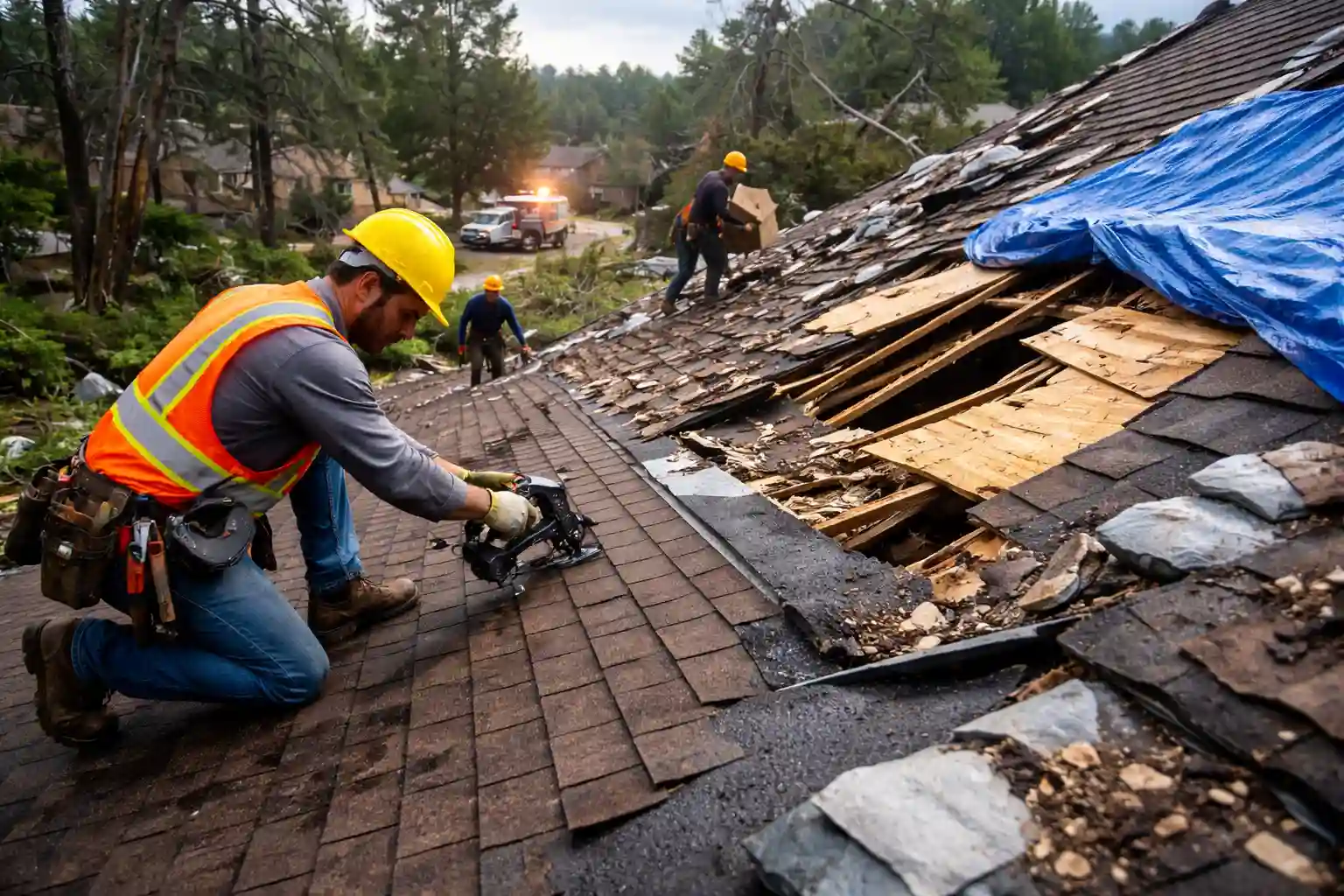
Emergency roof repairs are unavoidable, especially during severe weather events. Knowing how to handle them effectively can minimize damage and prevent costly repairs later. Here’s what you need to do when faced with a roof emergency:
- Assess the Situation: Quickly evaluate the damage to determine if it’s safe to enter the building or if it requires immediate attention.
- Temporary Measures: Use tarps or plastic sheeting to cover leaks or holes to prevent further water damage.
- Call a Professional: Contact a roofing contractor who specializes in emergency repairs for a thorough inspection and permanent fix.
- Document the Damage: Take photos of the damage for insurance claims or future reference.
The Complete Process of Residential Roof Replacement: What to Expect
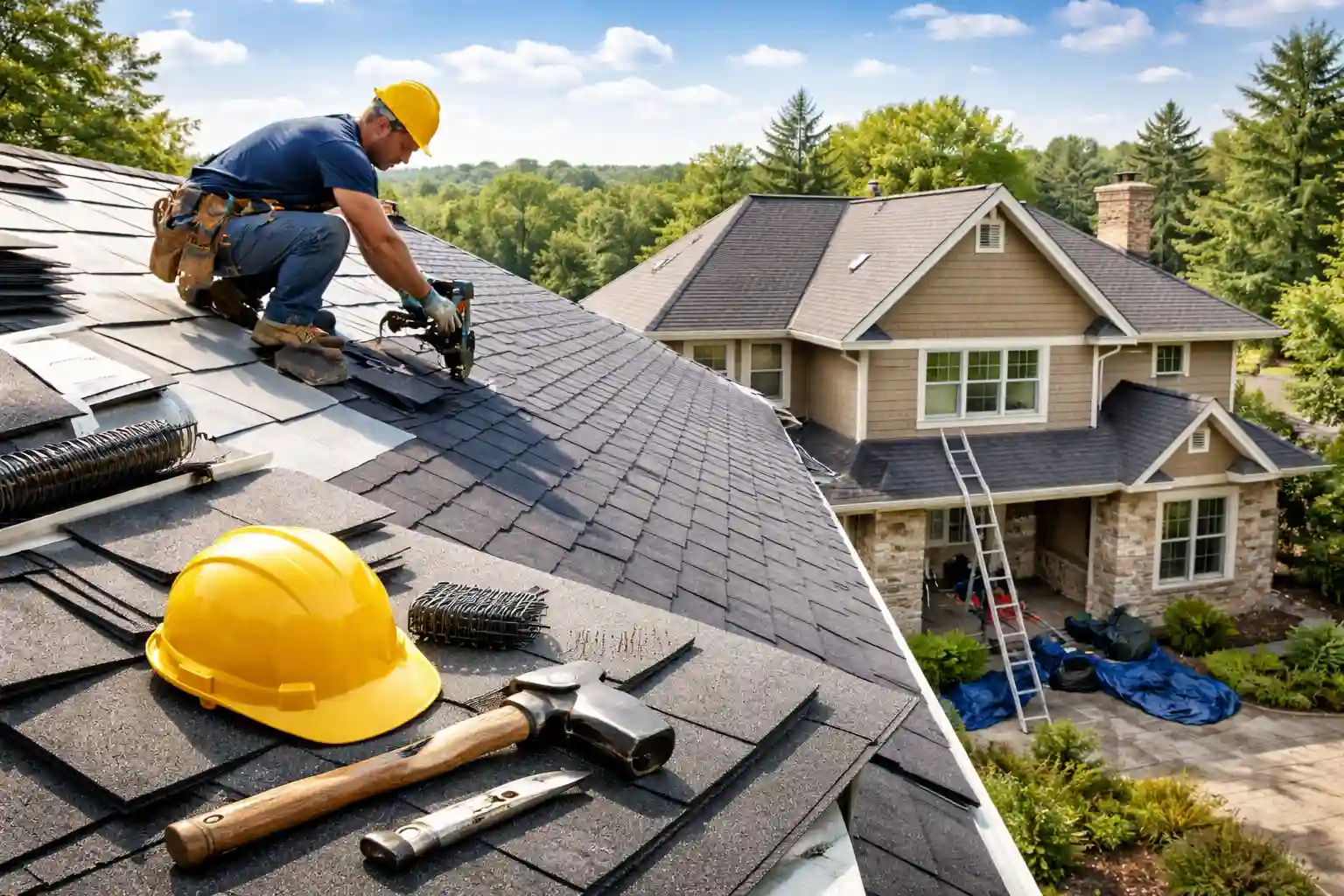
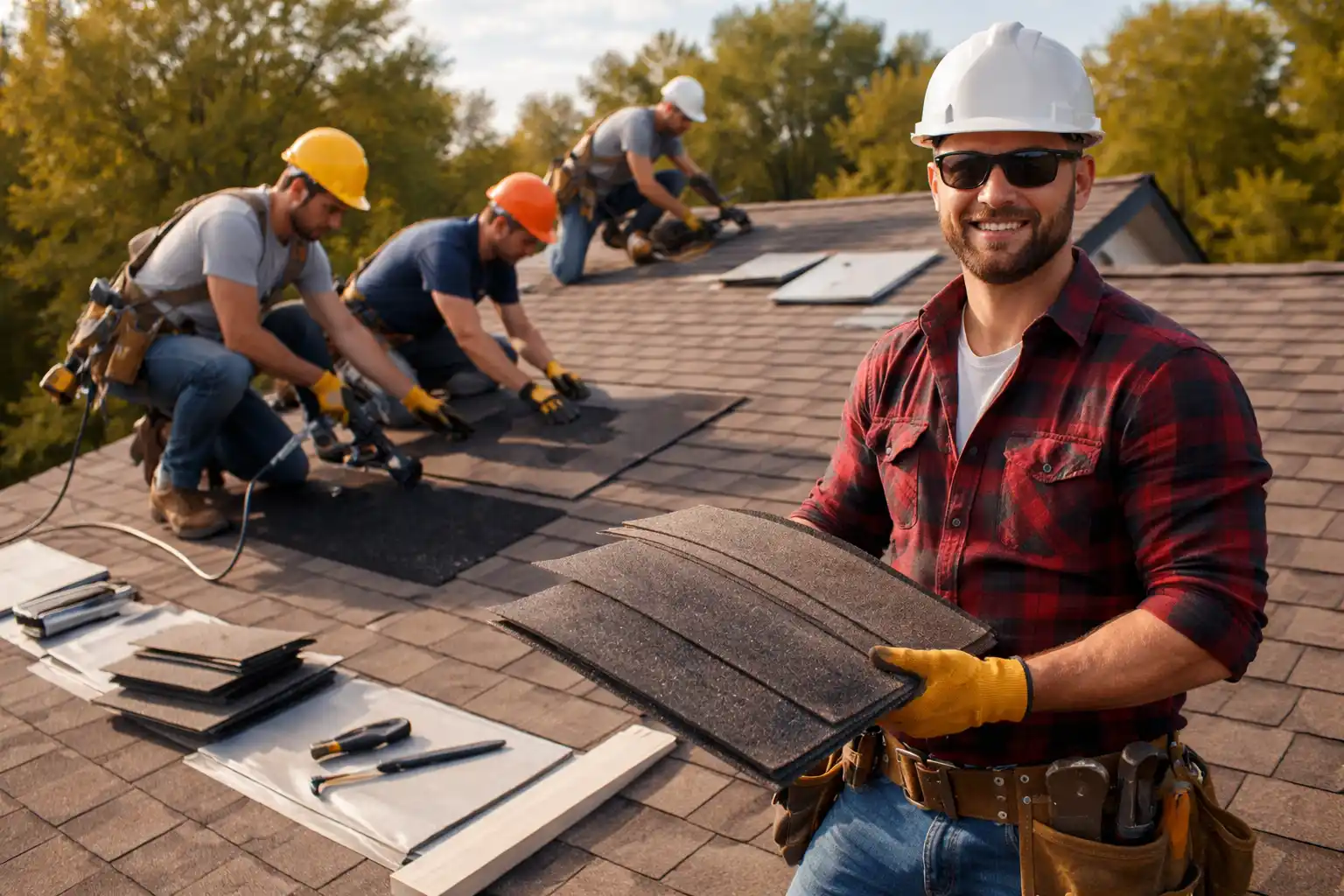
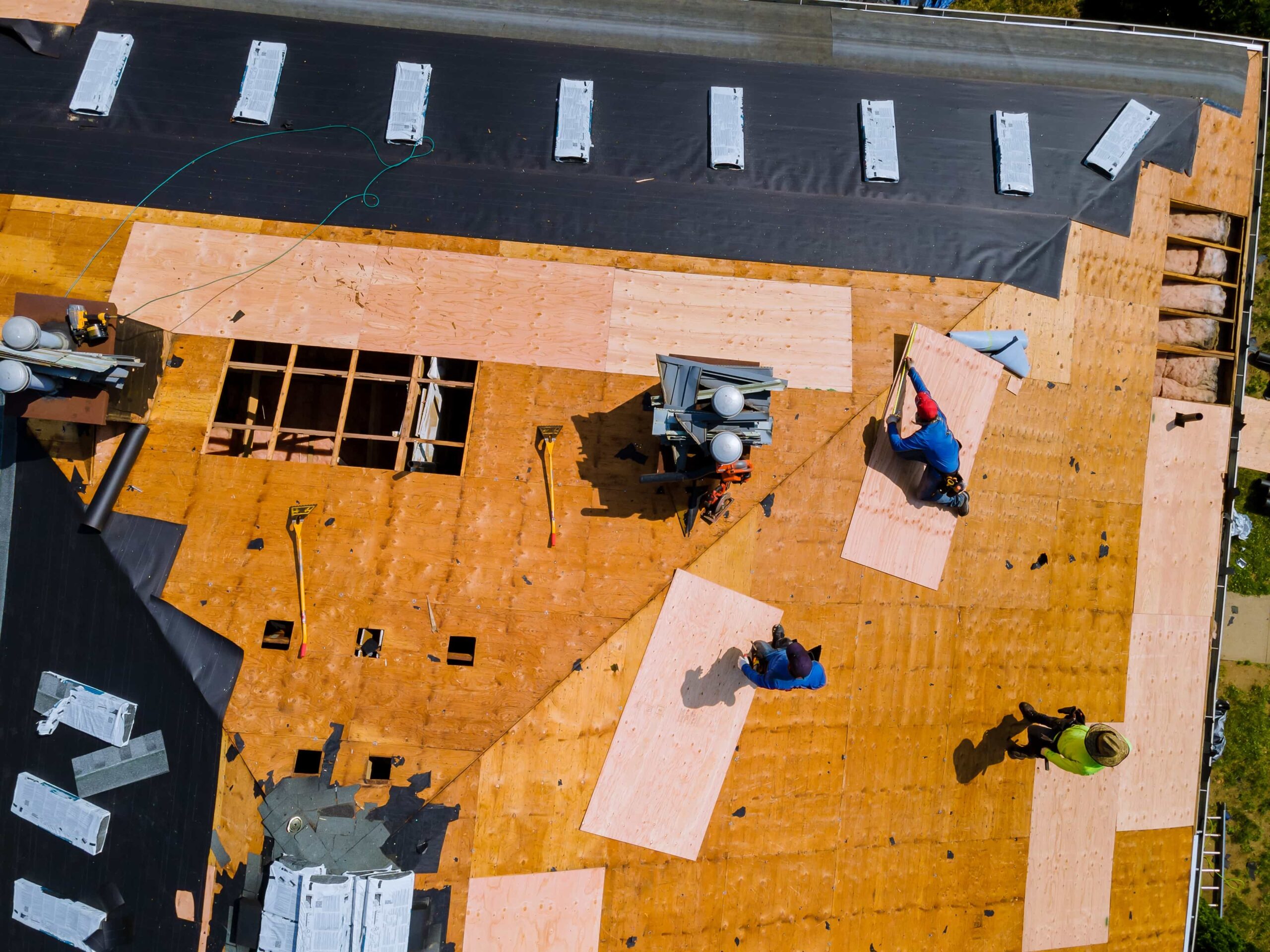
Replacing a residential roof is a major project that requires careful planning. The process begins with the removal of the old roof, which can be time-consuming, especially if multiple layers of shingles need to be removed. Once the old roof is taken off, the underlying structure is inspected for damage, and necessary repairs are made before installing the new roofing material.
After the new roof is installed, the final step involves a thorough inspection to ensure everything is up to code and properly sealed. Clean-up is also an important part of the process, ensuring your yard and driveway are free from debris. With proper installation, your new roof should offer lasting protection and increase the overall value of your home.
Key Factors for Ensuring Long-Lasting Durability in Commercial Roofs
Durability is a key factor for commercial roofs, especially since these roofs are often exposed to harsh environmental conditions. To ensure a roof lasts for decades, the quality of materials used is paramount. High-quality materials like TPO, EPDM, or metal are known for their ability to withstand wear, extreme temperatures, and even fire damage. Choosing the right material based on the climate and environment where the building is located can greatly extend the life of the roof.
Proper installation is another critical factor in ensuring the durability of a commercial roof. Roofs that are improperly installed or poorly sealed are more prone to leaks and premature wear. Regular maintenance, such as cleaning gutters, inspecting for debris, and checking for damage after extreme weather, will also prevent issues from escalating and prolong the life of the roof.
Lastly, ensuring proper drainage is crucial for roof longevity. Roofs that are designed with proper drainage systems reduce the chances of pooling water, which can damage the roof over time and lead to leaks or even structural damage.
Residential Roof Installation: A Detailed Breakdown of the Steps Involved
Residential roof installation requires careful planning and execution to ensure the home is properly protected from the elements. The first step involves choosing the right materials and preparing the home for the installation. This may include removing the old roofing, fixing any underlying damage, and preparing the surface for the new roof. The installation itself follows specific steps, ensuring each layer is properly applied and sealed to prevent leaks.
| Step | Details |
| 1. Preparation | Remove old roof, inspect structure, and prepare the surface. |
| 2. Underlayment | Install an underlayment to protect against moisture and ensure proper adhesion. |
| 3. Shingle Installation | Install shingles or tiles, ensuring proper alignment and secure attachment. |
| 4. Final Inspection | Inspect the roof for alignment, seals, and any defects before clean-up. |
Why Regular Roof Inspections Are Crucial for Preventing Major Issues
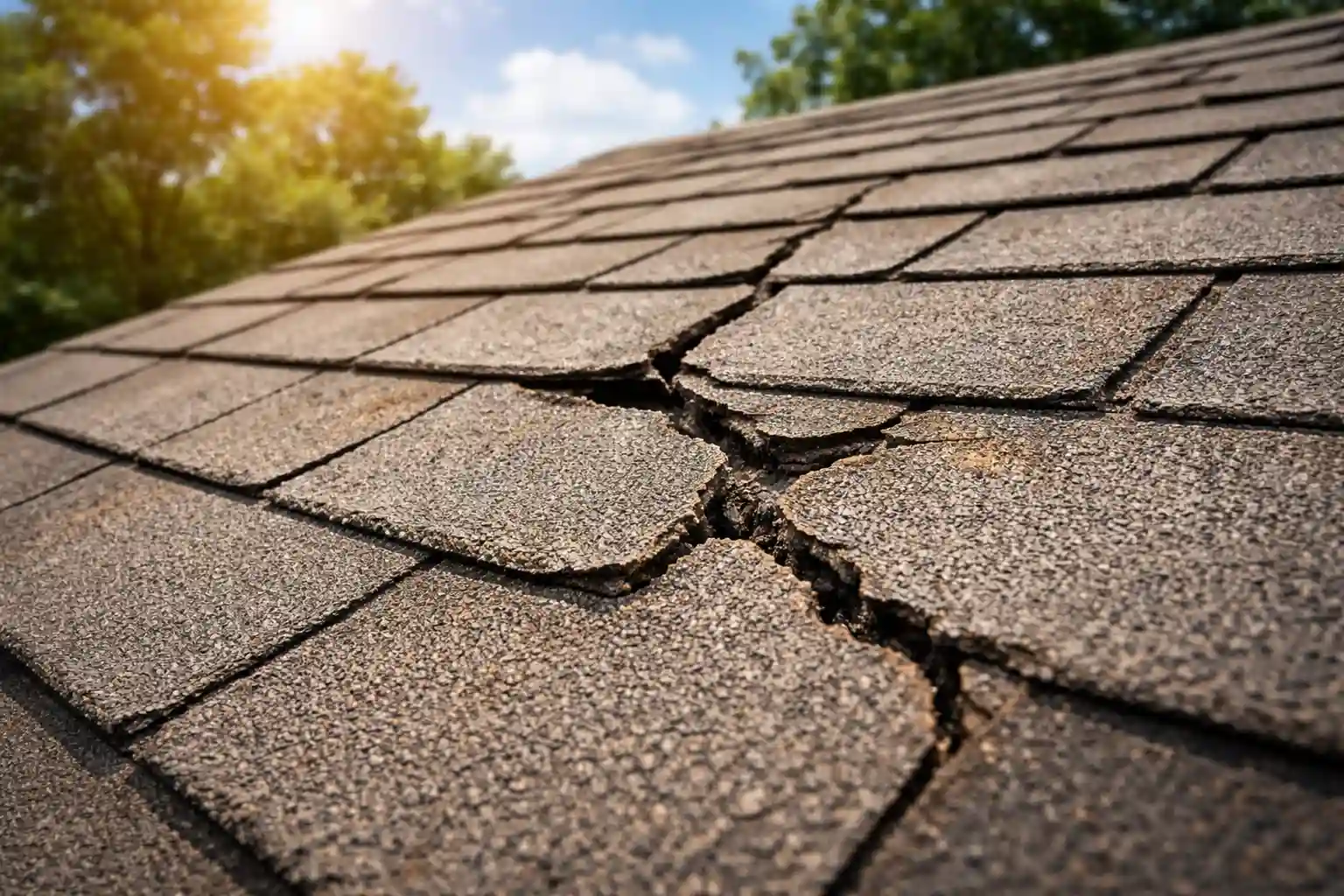
Regular roof inspections are a key aspect of roof maintenance that helps identify minor problems before they escalate into major issues. Through regular inspections, a roofing professional can spot early signs of wear and tear, such as small leaks, damaged shingles, or blocked gutters. Taking care of these issues early can prevent them from becoming costly repairs down the line.
How to Safely Restore Your Roof After Severe Weather Conditions
Severe weather conditions, such as storms, high winds, or hail, can cause significant damage to your roof. The first step in restoring your roof after such events is to inspect the damage carefully. Check for broken or missing shingles, leaks, and structural damage that may require immediate repair. Ensure safety by waiting for the weather to clear before climbing onto the roof or calling a professional for assistance.
Once the damage is assessed, it’s essential to take swift action to prevent water from entering the home. Temporary fixes, like covering holes with tarps, can prevent further damage until permanent repairs can be made. Contact a professional roofer for a thorough inspection and to carry out repairs or replacements of damaged sections of the roof.
What You Need to Know Before Starting a Commercial Roof Replacement
Before starting a commercial roof replacement, it’s essential to understand the scope of the project and the costs involved. The first step is to consult with a roofing professional who can assess the current condition of the roof and recommend the best course of action. Whether you need a full replacement or partial repairs, understanding the material options and the associated costs will help you make an informed decision.
Top Roof Repair Techniques Every Homeowner Should Know
Roof repairs are an inevitable part of homeownership, but knowing the basic techniques for roof repair can save you time and money. One of the most common repair techniques is fixing leaks, which typically involves replacing damaged shingles or sealing cracks in the roof. Regular maintenance, such as cleaning the gutters and removing debris, is also essential to ensure the roof is functioning properly.
Another important repair technique is addressing damaged flashing around chimneys or vents. Flashing prevents water from seeping into joints and seams, and if it becomes loose or damaged, it can cause leaks. It’s essential to ensure flashing is intact and properly sealed during roof inspections. With a few simple repairs and regular maintenance, you can extend the life of your roof and avoid costly replacements.

When it comes to maintaining or replacing your roof, having a clear understanding of roofing solutions is essential. Whether you’re considering a commercial roof replacement or tackling a residential roof installation, knowing the ins and outs of each process can save you time, money, and stress. This guide covers everything you need to know about roofing, from choosing materials to managing repairs, ensuring your roof serves you well for years to come.
How to Choose the Right Roofing Material for Your Project
Choosing the right roofing material is critical to the longevity, durability, and efficiency of your roof. Various materials, such as asphalt shingles, metal, clay tiles, and slate, offer different benefits. Asphalt shingles are affordable and versatile, while metal roofs provide longevity and are highly resistant to extreme weather. Clay tiles and slate are ideal for aesthetic appeal and high-end installations but come with a higher price tag.
Before making a decision, consider factors such as your budget, the climate in your area, the style of your home, and how long you plan to stay in the property. Your roofing contractor can also provide insights into the best materials for your specific needs, ensuring that you select the material that aligns with your goals and offers the best value over time.
Understanding the Importance of Timely Commercial Roof Replacements
Commercial roofs are a significant investment for any business, and timely roof replacement is crucial to protecting the building, maintaining the safety of employees, and ensuring smooth operations. Waiting too long to replace a worn-out roof can lead to costly repairs, safety hazards, and even damage to the building’s interior. Regular inspections can help identify the signs of deterioration and prevent costly emergency repairs.
Replacing your commercial roof at the right time ensures that your building remains energy-efficient, safe, and free from leaks that could disrupt business operations. This also improves the building’s overall value, making it a wise long-term investment for business owners.
Step-by-Step Guide to Handling Emergency Roof Repairs Effectively
Emergency roof repairs are unavoidable, especially during severe weather events. Knowing how to handle them effectively can minimize damage and prevent costly repairs later. Here’s what you need to do when faced with a roof emergency:
- Assess the Situation: Quickly evaluate the damage to determine if it’s safe to enter the building or if it requires immediate attention.
- Temporary Measures: Use tarps or plastic sheeting to cover leaks or holes to prevent further water damage.
- Call a Professional: Contact a roofing contractor who specializes in emergency repairs for a thorough inspection and permanent fix.
- Document the Damage: Take photos of the damage for insurance claims or future reference.
The Complete Process of Residential Roof Replacement: What to Expect
Replacing a residential roof is a major project that requires careful planning. The process begins with the removal of the old roof, which can be time-consuming, especially if multiple layers of shingles need to be removed. Once the old roof is taken off, the underlying structure is inspected for damage, and necessary repairs are made before installing the new roofing material.
After the new roof is installed, the final step involves a thorough inspection to ensure everything is up to code and properly sealed. Clean-up is also an important part of the process, ensuring your yard and driveway are free from debris. With proper installation, your new roof should offer lasting protection and increase the overall value of your home.
Key Factors for Ensuring Long-Lasting Durability in Commercial Roofs
Durability is a key factor for commercial roofs, especially since these roofs are often exposed to harsh environmental conditions. To ensure a roof lasts for decades, the quality of materials used is paramount. High-quality materials like TPO, EPDM, or metal are known for their ability to withstand wear, extreme temperatures, and even fire damage. Choosing the right material based on the climate and environment where the building is located can greatly extend the life of the roof.
Proper installation is another critical factor in ensuring the durability of a commercial roof. Roofs that are improperly installed or poorly sealed are more prone to leaks and premature wear. Regular maintenance, such as cleaning gutters, inspecting for debris, and checking for damage after extreme weather, will also prevent issues from escalating and prolong the life of the roof.
Lastly, ensuring proper drainage is crucial for roof longevity. Roofs that are designed with proper drainage systems reduce the chances of pooling water, which can damage the roof over time and lead to leaks or even structural damage.
Residential Roof Installation: A Detailed Breakdown of the Steps Involved
Residential roof installation requires careful planning and execution to ensure the home is properly protected from the elements. The first step involves choosing the right materials and preparing the home for the installation. This may include removing the old roofing, fixing any underlying damage, and preparing the surface for the new roof. The installation itself follows specific steps, ensuring each layer is properly applied and sealed to prevent leaks.
| Step | Details |
| 1. Preparation | Remove old roof, inspect structure, and prepare the surface. |
| 2. Underlayment | Install an underlayment to protect against moisture and ensure proper adhesion. |
| 3. Shingle Installation | Install shingles or tiles, ensuring proper alignment and secure attachment. |
| 4. Final Inspection | Inspect the roof for alignment, seals, and any defects before clean-up. |
Why Regular Roof Inspections Are Crucial for Preventing Major Issues
Regular roof inspections are a key aspect of roof maintenance that helps identify minor problems before they escalate into major issues. Through regular inspections, a roofing professional can spot early signs of wear and tear, such as small leaks, damaged shingles, or blocked gutters. Taking care of these issues early can prevent them from becoming costly repairs down the line.
How to Safely Restore Your Roof After Severe Weather Conditions
Severe weather conditions, such as storms, high winds, or hail, can cause significant damage to your roof. The first step in restoring your roof after such events is to inspect the damage carefully. Check for broken or missing shingles, leaks, and structural damage that may require immediate repair. Ensure safety by waiting for the weather to clear before climbing onto the roof or calling a professional for assistance.
Once the damage is assessed, it’s essential to take swift action to prevent water from entering the home. Temporary fixes, like covering holes with tarps, can prevent further damage until permanent repairs can be made. Contact a professional roofer for a thorough inspection and to carry out repairs or replacements of damaged sections of the roof.
What You Need to Know Before Starting a Commercial Roof Replacement
Before starting a commercial roof replacement, it’s essential to understand the scope of the project and the costs involved. The first step is to consult with a roofing professional who can assess the current condition of the roof and recommend the best course of action. Whether you need a full replacement or partial repairs, understanding the material options and the associated costs will help you make an informed decision.
Top Roof Repair Techniques Every Homeowner Should Know
Roof repairs are an inevitable part of homeownership, but knowing the basic techniques for roof repair can save you time and money. One of the most common repair techniques is fixing leaks, which typically involves replacing damaged shingles or sealing cracks in the roof. Regular maintenance, such as cleaning the gutters and removing debris, is also essential to ensure the roof is functioning properly.
Another important repair technique is addressing damaged flashing around chimneys or vents. Flashing prevents water from seeping into joints and seams, and if it becomes loose or damaged, it can cause leaks. It’s essential to ensure flashing is intact and properly sealed during roof inspections. With a few simple repairs and regular maintenance, you can extend the life of your roof and avoid costly replacements.
Schedule a Free Inspection

Mon – Fri
9am : 5pm
Saturday
10am : 2pm
Sunday
Closed
CONTACT INFORMATION
ECG Corporate Location
TEXAS – COLORADO – OKLAHOMA | ➥ SEE ALL DIVISIONS
ECG COMMERCIAL